Sarah stared at her boarding pass in disbelief. Sydney to London. Gate 23. Direct flight. No layovers. She’d made this journey dozens of times for work, always resigned to the exhausting dance of connecting flights, rushed meals in sterile airport lounges, and that groggy confusion of waking up in Dubai at 3 AM wondering where she was.
But this ticket was different. One plane. One seat. Twenty-one hours and forty-five minutes later, she’d step off in London having traveled halfway around the world without ever changing aircraft. It sounded impossible, yet here it was, printed in black and white.
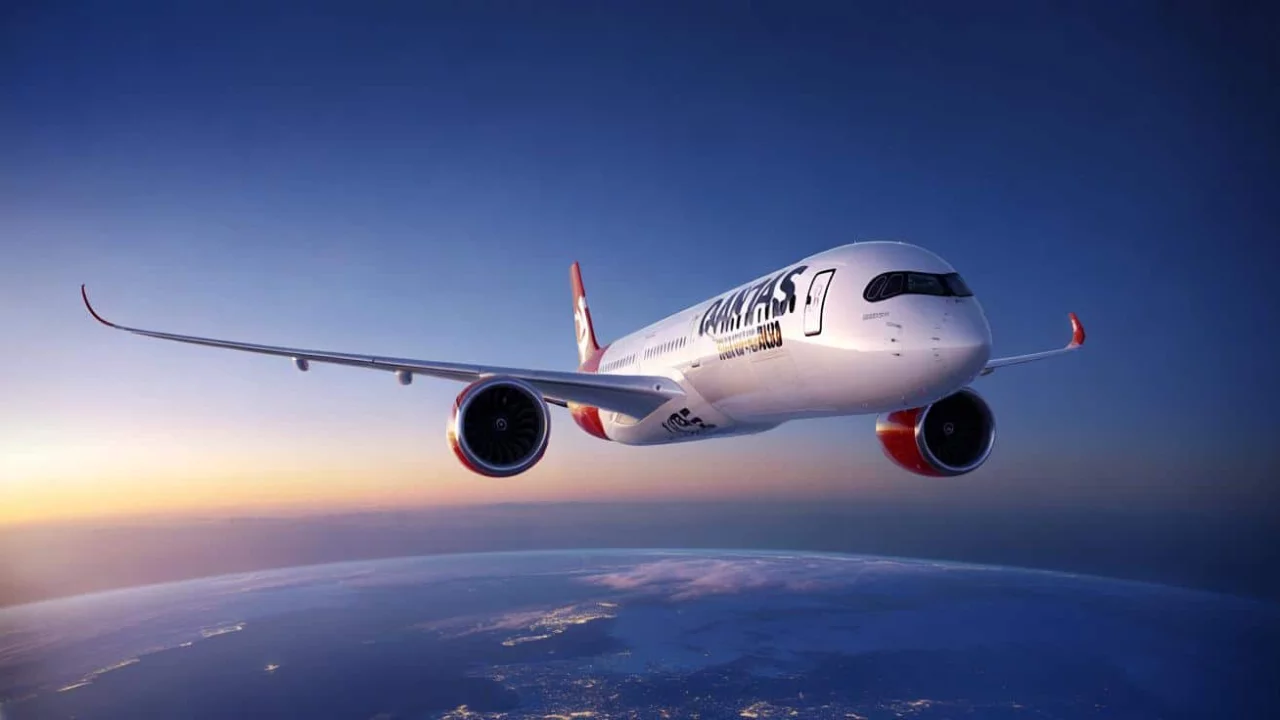
What Sarah was holding represents one of aviation’s most ambitious leaps forward. In 2026, the Airbus A350 ultra long range will rewrite the rules of air travel, connecting distant cities in ways that seemed like science fiction just a decade ago.
The Plane That’s Breaking All the Rules
In a massive hangar in Toulouse, France, something remarkable is taking shape. The Airbus A350-1000ULR isn’t just another aircraft rolling off the production line—it’s a complete reimagining of what long-haul travel can be.
This isn’t your typical passenger jet. Airbus engineers have essentially rebuilt their successful A350 from the inside out, adding a revolutionary rear fuel tank that holds an additional 20,000 liters of jet fuel. That modification alone pushes the aircraft’s range to an unprecedented 18,000 kilometers—enough to connect Sydney directly to London or New York without a single stop.
“We’re not just building a longer-range plane,” explains aviation analyst Maria Rodriguez. “We’re creating an entirely new category of aircraft that will fundamentally change how people think about international travel.”
The numbers are staggering. While today’s Boeing 787-9 Dreamliner can fly for about 16 hours, the Airbus A350 ultra long range will stay airborne for up to 22 hours. That’s nearly an entire day spent at 40,000 feet, crossing time zones, weather systems, and continents in a single, uninterrupted journey.
Qantas, the Australian airline spearheading this revolution with their “Project Sunrise” initiative, ordered 12 of these remarkable aircraft in 2022. Their goal is simple yet audacious: eliminate what Australians call the “tyranny of distance” by connecting their isolated continent directly to major world cities.
The Technical Marvel Behind 22-Hour Flights
Building an aircraft capable of such endurance requires engineering breakthroughs that push the boundaries of current technology. Here’s what makes the Airbus A350 ultra long range so extraordinary:
| Specification | A350 Ultra Long Range | Standard A350-1000 |
|---|---|---|
| Maximum Range | 18,000+ km | 15,000 km |
| Flight Duration | Up to 22 hours | Up to 17 hours |
| Fuel Capacity | 320,000+ liters | 300,000 liters |
| Passenger Count | 238 seats | 300+ seats |
The key innovations include:
- Enhanced fuel system: The additional rear tank doesn’t just add capacity—it’s integrated with advanced fuel management systems that optimize weight distribution throughout the flight
- Lightweight materials: Airbus uses more carbon fiber components to offset the weight of extra fuel
- Optimized aerodynamics: Subtle wing modifications improve fuel efficiency at ultra-long distances
- Advanced engine technology: Rolls-Royce Trent XWB engines are tuned specifically for extended operation
“The engineering challenge wasn’t just about adding more fuel,” notes aerospace engineer David Chen. “Every system had to be redesigned to handle the stress of 22-hour continuous operation while maintaining the highest safety standards.”
Redefining Passenger Comfort for Marathon Flights
Flying for nearly a full day presents unique challenges that go far beyond traditional airline service. Qantas and Airbus have completely rethought the passenger experience, working with sleep scientists and wellness experts to design cabins that help travelers cope with extreme journey times.
Instead of cramming in maximum seats, these aircraft will carry just 238 passengers—about 60 fewer than a standard configuration. That extra space becomes zones for stretching, socializing, and rest areas that don’t exist on conventional flights.
The cabin innovations include:
- Circadian lighting: LED systems that simulate natural sunlight patterns to help reset body clocks
- Wellness zones: Dedicated areas for stretching and light exercise
- Enhanced air quality: Advanced filtration and humidity control systems
- Specialized meal timing: Food service designed around destination time zones rather than departure schedules
“We’re essentially creating a small hotel in the sky,” explains Qantas spokesperson Jennifer Walsh. “These aren’t just longer flights—they’re completely different travel experiences.”
The airline has studied passenger behavior on their current ultra-long routes and discovered that people adapt remarkably well to extended flight times when given the right environment and amenities.
The future of aviation is taking shape in Toulouse. The first A350ULR for @Qantas represents more than engineering—it's about connecting people and places in ways we never thought possible. 22 hours nonstop from Sydney to London or New York. The tyranny of distance is ending. #ProjectSunrise#A350ULR
— Airbus (@Airbus) January 6, 2024
The psychological aspects are just as important as the physical ones. Passengers on ultra-long flights report that the absence of layovers—no rushing through connecting gates, no lost luggage, no missed connections—more than compensates for the extended flight time.
Flight attendants receive specialized training for these marathon journeys. They learn to recognize signs of passenger distress, manage meal service across multiple time zones, and create a sense of progression through what could otherwise feel like endless hours in the air.
“The longest part of any journey used to be getting to and from airports,” observes travel industry analyst Robert Kim. “Now the flight itself becomes the entire journey, which changes how we think about international travel planning.”
Early test flights have shown remarkable passenger satisfaction rates. People discover they can sleep better without the disruption of layovers, arrive more refreshed, and spend less total time traveling despite being on a single plane for longer.
The Airbus A350 ultra long range will enter commercial service with Qantas in late 2026, initially operating Sydney-London and Sydney-New York routes. Other airlines are watching closely, with several expressing interest in ordering their own ultra-long-range variants.
This aircraft represents more than just technological achievement—it’s reshaping our understanding of distance, time, and what’s possible in commercial aviation. For passengers like Sarah, it means the world just got a little smaller and a lot more accessible.
FAQs
How long will the longest flights be on the Airbus A350 ultra long range?
The aircraft can fly for up to 22 hours nonstop, with initial routes like Sydney to London taking around 21 hours and 45 minutes.
Will passengers be comfortable on such long flights?
Yes, the cabin is specifically designed for ultra-long flights with fewer seats, wellness zones, circadian lighting, and enhanced air quality systems to maximize comfort.
When will these flights start operating?
Qantas plans to begin commercial service with the A350 ultra long range in late 2026, starting with Sydney-London and Sydney-New York routes.
How much fuel does the aircraft carry?
The A350 ultra long range carries over 320,000 liters of fuel, about 20,000 liters more than the standard version, thanks to an additional rear fuel tank.
Are these flights more expensive than traditional routes with layovers?
While pricing hasn’t been announced, the convenience of direct flights and premium cabin experience suggest these will be positioned as premium services.
Which other airlines might operate these ultra-long-range aircraft?
While Qantas is the launch customer, several other airlines have expressed interest, particularly those connecting distant city pairs that currently require layovers.











Leave a Comment