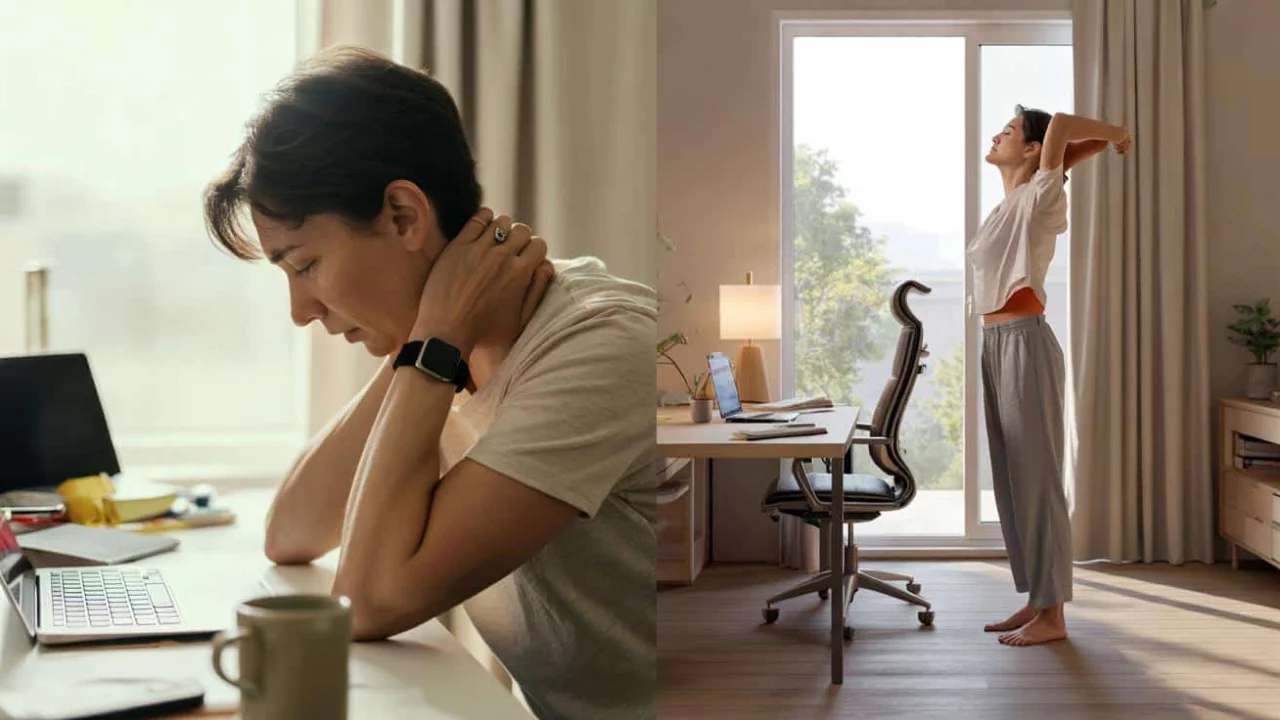
The first time I noticed it was on a Tuesday, around 3:30 p.m. My eyes were open, I was technically “awake”, but my body felt like wet cement. I hadn’t run a marathon. I’d mostly been sitting in front of a screen, answering emails and pretending my brain wasn’t slowly melting. Coffee number three didn’t touch it. A walk to the kitchen didn’t fix it. The tiredness felt deeper, like my muscles themselves were carrying a secret weight.
That evening, a colleague casually mentioned a tiny adjustment his physiotherapist had suggested. Not a new diet, not a supplement, not a miracle workout plan. Just a way of changing one everyday habit that sounded almost too simple.
A week later, my afternoons didn’t feel like wading through mud anymore. The strangest part? Nothing else in my life had changed.
The fatigue that doesn’t look dramatic but ruins your day
You know this bodily fatigue. You slept “enough” hours, you’re not sick, you’re not coming back from a hike in the Alps. Yet your shoulders burn, your lower back nags, your neck feels like it’s holding a bowling ball. You sit down and you’re already tired. You stand up and you’re still tired.
It’s not exhaustion you can brag about on social media. It’s that discreet, sticky tiredness that tags along from breakfast to bedtime and quietly steals your energy for everything else.
Sarah, a 34-year-old marketing manager, swore she was “just getting old.” She works at a computer, doesn’t have kids, sleeps a solid seven hours. By 5 p.m., though, she felt like she’d been carrying boxes all day. The turning point came when her smartwatch started tracking something other than her steps: how much she was sitting.
“I realized I was basically a human pretzel for eight hours straight,” she says. “My body wasn’t tired from doing things. It was tired from not moving at all.”
The small adjustment that changed everything? Standing up every 25 minutes for just 30 seconds. That’s it. Not a full workout, not stretching routines, not expensive ergonomic equipment. Just breaking the sitting cycle before her muscles locked into position.
What this simple change actually does to your body
Dr. Michael Chen, a physical therapist who works with office workers, explains it simply: “When you sit for extended periods, your hip flexors tighten, your glutes shut off, and your spine compresses. It’s like putting your body in a straightjacket and wondering why you feel restricted.”
The magic happens when you stand up regularly. Here’s what occurs in those crucial 30 seconds:
- Blood flow increases to compressed muscle groups
- Hip flexors get a chance to lengthen
- Glute muscles reactivate from their dormant state
- Spinal discs decompress and rehydrate
- Core muscles re-engage to support your upright posture
“Think of it like rebooting your muscular system,” Chen adds. “You’re not fixing damage, you’re preventing your body from getting stuck in the first place.”
Research from the University of Utah found that people who took brief standing breaks every 30 minutes reported 23% less bodily fatigue by day’s end compared to those who remained seated for hours at a time.
| Time of Day | Energy Level (No Breaks) | Energy Level (With 30-Second Breaks) |
|---|---|---|
| 9:00 AM | 8/10 | 8/10 |
| 12:00 PM | 6/10 | 7/10 |
| 3:00 PM | 4/10 | 6/10 |
| 5:00 PM | 3/10 | 5/10 |
The key isn’t the duration of the break. It’s the consistency. Your body needs regular reminders that it’s not permanently glued to a chair.
Real people, real results, surprisingly fast
Marcus, a software developer, was skeptical. “I thought standing up for 30 seconds every half hour was going to interrupt my flow,” he says. “Turns out, the opposite happened. My focus actually improved because my body wasn’t constantly sending ‘help me’ signals to my brain.”
The changes happen faster than you’d expect. Most people notice reduced bodily fatigue within three to five days. By two weeks, the pattern becomes automatic.
Jennifer, an accountant during tax season, found that her usual 4 p.m. crash disappeared entirely. “I used to hit a wall where my whole body felt heavy and my mind would fog up. Now I still get mentally tired, but my body doesn’t feel like it’s working against me.”
The adjustment works because it targets the root cause of modern bodily fatigue: prolonged static positioning. Your body is designed to move. When it doesn’t, even basic functions like circulation and muscle activation require extra energy just to maintain basic comfort.
Dr. Lisa Patel, an occupational health specialist, notes: “We see this pattern constantly. People assume they need more sleep or better nutrition to fix their tiredness. But often, the problem is that their body is working overtime just to cope with being motionless for hours.”
The beauty of this approach is its simplicity. You don’t need to remember complex routines or carve out significant time blocks. Set a phone timer, use a smartwatch reminder, or even link it to existing habits like checking emails or taking phone calls.
Some people worry about looking odd by standing up regularly at work. The reality? Most colleagues won’t even notice. And if they do, they’ll probably ask what you’re doing because you seem more energetic than usual.
The adjustment is so small that it feels almost too easy to be effective. But that’s exactly why it works. Big changes require willpower and motivation that fluctuates. Tiny changes become invisible habits that compound over time.
Your body will thank you by the end of the first week. That mysterious heaviness in your limbs, the ache in your shoulders, the general sense that your physical self is working against you – it starts to lift.
Not because you’ve become stronger or fitter, but because you’ve stopped putting your body in a position where it has to fight basic physics all day long.
FAQs
How long should I stand when I take these breaks?
Just 30 seconds is enough. You’re not trying to exercise, just reset your body’s position and reactivate dormant muscles.
What if I forget to stand up regularly?
Set a gentle phone alarm or smartwatch reminder every 25-30 minutes. Most people develop the habit naturally within two weeks.
Will this actually help if I exercise regularly?
Yes. Even people who work out daily can experience sitting-related bodily fatigue. Movement breaks prevent your body from getting stuck in static positions regardless of your fitness level.
Can I do this if I work from home?
Absolutely. Home workers often sit even longer than office workers since there are fewer natural interruptions. The 30-second standing rule works anywhere.
What if my job requires constant focus and I can’t take breaks?
Standing up doesn’t require mental attention. You can even stand while reading emails or during phone calls. The key is just changing your body position briefly.
How quickly will I notice less bodily fatigue?
Most people report feeling less heavy and achy within 3-5 days. The full benefits usually become apparent after two weeks of consistent breaks.











Leave a Comment