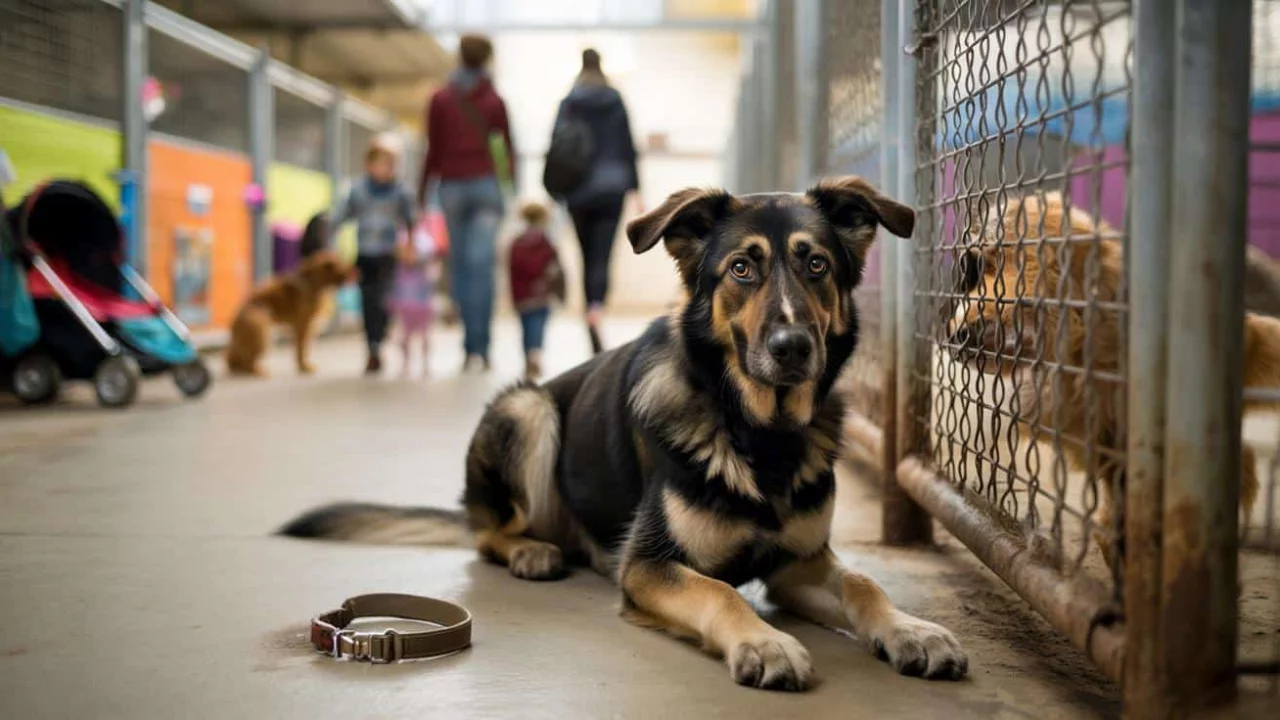
Sarah Martinez pulls into the rescue parking lot every morning at 6:30 AM, her coffee still steaming in the cup holder. She’s been volunteering here for three years, but today feels different. Walking past the kennels, she stops at number seven, where a four-year-old German Shepherd named Lila sits quietly in the corner. No barking, no jumping—just those intelligent brown eyes following every movement. “She’s been here eight months,” Sarah whispers to herself, checking the chart. Eight months of watching families walk by, choosing smaller dogs, younger dogs, easier dogs.
Lila presses her nose through the chain link when Sarah approaches. Her tail gives a tentative wag, as if she’s afraid to hope too hard. This is the reality of German Shepherd rescue work—brilliant, loyal dogs spending months in kennels because people assume they’re too much work or too aggressive. They’re not. They’re just misunderstood.
The truth is, dogs like Lila are dying for lack of homes, not lack of love to give.
Why German Shepherds Like Lila Stay in Shelters So Long
German Shepherd rescue organizations across the country are facing a crisis. These intelligent, devoted dogs are spending an average of four to six months in shelters, compared to just six weeks for smaller breeds. The problem isn’t the dogs—it’s perception.
“People see a German Shepherd and immediately think ‘guard dog’ or ‘police dog,'” explains Dr. Jennifer Walsh, who works with several rescue organizations in the Pacific Northwest. “They don’t see the dog who wants to learn your morning routine and follow you from room to room.”
Lila embodies this challenge perfectly. At four years old, she’s past the “cute puppy” stage that draws adopters. Her previous life left her wary but not aggressive—she just needs time to trust. When volunteers take her for walks, she stays close to their side, checking in with glances that say, “Are we okay? Are you staying?”
The reality of German Shepherd rescue work reveals several key barriers that keep dogs like Lila waiting:
- Size discrimination in rental housing limits potential adopters
- Insurance restrictions often exclude German Shepherds from homeowner policies
- Misconceptions about temperament scare away families
- Higher adoption fees reflect the breed’s training and care needs
- Adult dogs face longer wait times than puppies across all breeds
“Lila isn’t looking for a hero,” says rescue coordinator Mike Chen. “She’s looking for someone who understands that loyalty this deep takes time to develop. She’ll never be the dog who loves everyone instantly, but she’ll be the dog who’d walk through fire for her person.”
What Lila and Other German Shepherd Rescues Really Need
The urgent need isn’t just about finding any home—it’s about finding the right homes. German Shepherd rescue dogs thrive with specific conditions that many potential adopters can provide, if they understand what’s really required.
| What Lila Needs | What This Really Means |
|---|---|
| Experienced handler | Someone who’s had any medium to large dog before |
| Secure yard | Fenced space where she can safely explore and play |
| Patient family | People who understand bonding takes weeks, not days |
| Daily exercise | 45 minutes of walking or playing—manageable for most adults |
| Mental stimulation | Puzzle toys, training sessions, or simple games |
These requirements sound daunting on paper, but they describe thousands of households perfectly. The challenge is connecting dogs like Lila with people who don’t realize they’re exactly what these dogs need.
Rescue volunteers have learned to look beyond the obvious adopters. “Some of our best German Shepherd families are empty nesters who want a walking companion,” notes volunteer coordinator Lisa Park. “Others are single professionals who work from home and want a loyal office buddy.”
The breed’s intelligence actually makes them easier in many ways. Lila already knows basic commands, walks beautifully on a leash, and understands house rules. She’s not a project—she’s a graduate waiting for placement.
The Ripple Effect of Long-Term Shelter Dogs
Every day Lila spends in her kennel creates a domino effect throughout the rescue system. Her kennel space could help another dog in crisis. The emotional toll on staff and volunteers grows heavier. Resources stretch thinner across more long-term residents.
“When dogs like Lila stay for months, it breaks something in all of us,” admits shelter director Rachel Stevens. “We see their spirits dimming day by day, and we know we’re failing them somehow.”
But the impact goes beyond individual dogs. Public perception of German Shepherds as “difficult” dogs becomes a self-fulfilling prophecy. Fewer people consider the breed, leading to more dogs in shelters, reinforcing the stereotype. Breaking this cycle requires success stories—families willing to take the leap and discover what German Shepherd rescue volunteers already know.
These dogs don’t need perfect homes. They need committed ones. Lila would be happy with a daily walk, a comfortable spot to watch her family, and the security of knowing she belongs somewhere. She’s already house-trained, crate-trained, and ready to learn whatever rules her new family establishes.
The urgent plea for homes isn’t about charity—it’s about connection. Somewhere out there is a person or family whose life would be immeasurably enriched by Lila’s steady presence and quiet devotion. The trick is helping them find each other before it’s too late.
“Every German Shepherd in rescue has a story,” reflects volunteer Sarah Martinez, scratching Lila’s ears through the kennel bars. “But their best chapters are still waiting to be written. They just need someone brave enough to pick up the pen.”
FAQs
Are German Shepherds good family dogs if they come from rescue?
Absolutely. Most rescue German Shepherds are surrendered due to housing changes or family circumstances, not behavioral issues. They often do better with families than as single dogs.
How much exercise does a rescue German Shepherd really need?
About 45 minutes to an hour daily, which can be split between walks and playtime. They’re more interested in being with you than running marathons.
Do German Shepherds from rescue have more behavioral problems?
Not typically. Many are actually better trained than puppies since they’ve lived in homes before. Rescue organizations also evaluate temperament before placing dogs for adoption.
What’s the average adoption fee for a German Shepherd rescue?
Usually between $200-500, which covers spaying/neutering, vaccinations, microchipping, and basic medical care. This is significantly less than buying from a breeder.
Can German Shepherds live in apartments?
Many can, especially adult dogs who are past their high-energy puppy phase. The key is ensuring they get adequate daily exercise and mental stimulation.
How long does it take for a rescue German Shepherd to adjust to a new home?
Most dogs need 2-3 months to fully settle in, but you’ll see progress within the first few weeks. Patience during the adjustment period creates the strongest bonds.











Leave a Comment