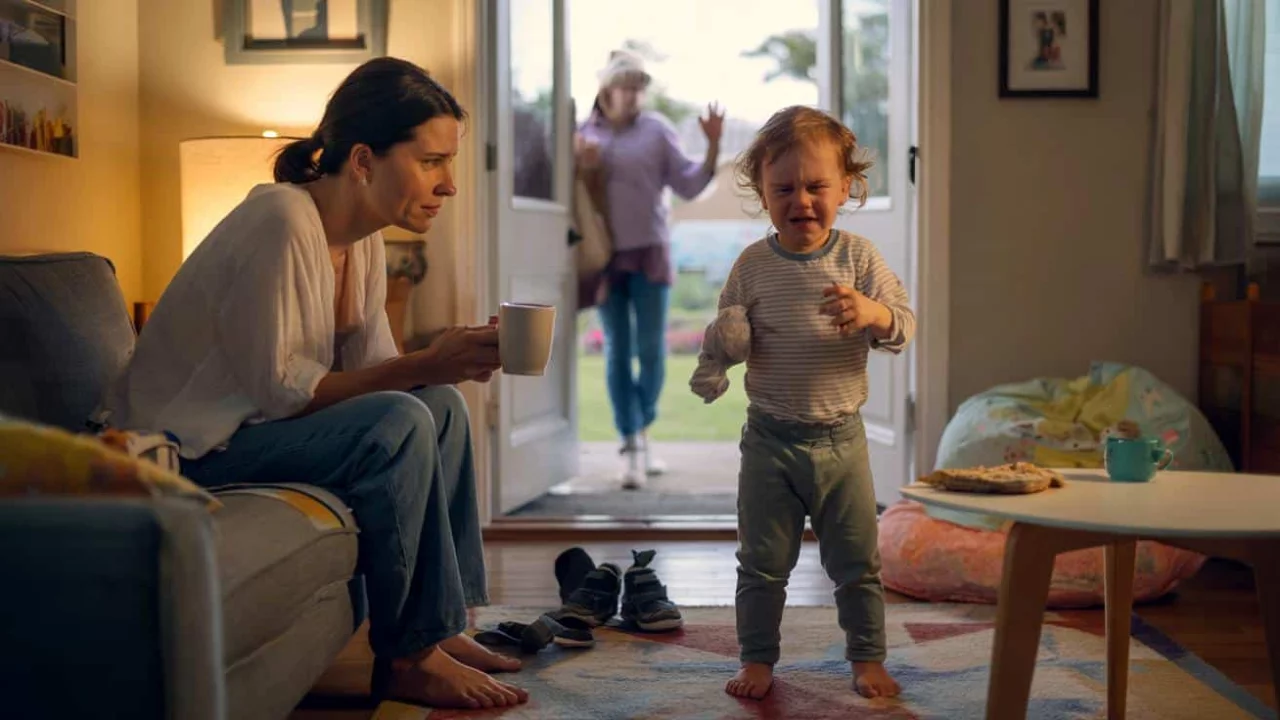
Sarah’s phone buzzed with a message from her daughter’s teacher: “Emma was absolutely delightful today. She helped a classmate with math and used her inside voice all afternoon.” Sarah stared at the text, then glanced across the kitchen where eight-year-old Emma was currently having a full meltdown because the peanut butter touched the jelly on her sandwich.
Just last week, her mother-in-law gushed about how polite and well-mannered Emma had been during their sleepover. “She said please and thank you for everything, cleared her plate without being asked, and went to bed on time!” Meanwhile, at home, Sarah felt like she was in a constant battle over basic manners and bedtime routines.
If this sounds familiar, you’re not alone. The phenomenon of kids who behave better for other people than their own parents is so common it’s practically universal, yet it still stings every single time.
The science behind why kids behave better away from home
Child development experts have a name for this maddening pattern, and there are solid psychological reasons behind it. When kids behave better for other people, it’s actually a sign that your relationship with them is strong and secure.
Dr. Rachel Martinez, a child psychologist, explains it this way: “Children feel safest with their primary caregivers, which means they’re more likely to express their authentic emotions and test boundaries at home. It’s counterintuitive, but misbehavior often indicates trust.”
Think of it like emotional regulation. All day long, your child is working hard to follow rules, sit still, use polite words, and manage their feelings in unfamiliar environments. By the time they get home to you, they’re emotionally exhausted and ready to let their guard down.
With teachers, grandparents, or family friends, children are still in performance mode. They’re keenly aware that these relationships require more careful navigation. But with you? You’re their safe space, which means you get the unfiltered version of their personalities, complete with meltdowns, defiance, and raw emotions.
Understanding the key factors that make kids behave differently
Several specific elements contribute to why children show their best behavior to everyone except the people who love them most. Here’s what’s really happening behind the scenes:
- Novelty effect: New environments and people naturally command more attention and compliance from children
- Social awareness: Kids instinctively understand that different relationships have different rules and expectations
- Energy depletion: Maintaining good behavior all day is mentally exhausting for young minds
- Emotional safety: Home represents the one place where they can express difficult feelings without fear of rejection
- Boundary testing: Children push limits most with people they trust completely
- Attention patterns: They’ve learned which behaviors get the biggest reactions from you specifically
The dynamic becomes even clearer when you look at the environmental differences:
| With Others | At Home With Parents |
|---|---|
| Unfamiliar rules to follow | Familiar boundaries to test |
| Heightened awareness | Relaxed guard |
| Limited time together | Unlimited access to attention |
| Desire to make good impression | Confidence in unconditional love |
| Fresh energy for compliance | Depleted self-control |
Licensed family therapist Dr. James Chen notes: “Parents often worry they’re doing something wrong when they hear glowing reports about their child’s behavior elsewhere. But this pattern actually demonstrates healthy attachment and emotional development.”
What this behavior pattern means for your family
Before you start questioning your parenting skills, remember that this behavioral difference is completely normal and even beneficial for your child’s development. When kids behave better for other people, it shows they’re learning crucial social skills like code-switching and emotional regulation.
Your child is demonstrating that they can read social cues, adapt their behavior to different environments, and maintain self-control when necessary. These are sophisticated life skills that will serve them well as they grow older.
The flip side is that they’re also showing you incredible trust. Child behavioral specialist Dr. Lisa Park explains: “When children feel secure in their primary relationship, they’re more willing to be vulnerable and authentic. The tantrums and defiance at home actually indicate a strong, healthy bond.”
However, this doesn’t mean you should accept chaos at home while your child performs perfectly everywhere else. The key is understanding that some degree of this behavior is normal while still maintaining appropriate boundaries and expectations.
Many parents find relief in knowing they’re not alone in this experience. Other families are dealing with the exact same contradiction: angels at school, tornadoes at home. It’s part of childhood development, not a reflection of your parenting abilities.
The goal isn’t to eliminate this pattern entirely but to work with it constructively. Acknowledge that your child needs emotional release at home while still teaching them healthy ways to express difficult feelings. Set clear expectations and consequences, but also recognize when they’re simply depleted from a long day of being “good” for others.
Dr. Martinez adds: “Smart parents learn to see past the immediate frustration and recognize this behavior for what it really is: evidence of their child’s growing social awareness and their unshakeable trust in the parent-child relationship.”
Remember, the teacher praising your child’s behavior isn’t seeing the whole picture. They’re seeing your child during their peak performance hours, not during the vulnerable moments when they need comfort, understanding, and unconditional love. That’s your unique role, and it’s actually the more important one.
FAQs
Why do my kids listen to their teachers but not me?
Children view teachers as authority figures in a formal setting, while they see you as their emotional safe space where they can test boundaries and express authentic feelings.
Is it normal for kids to have meltdowns only at home?
Yes, this is completely normal. Home meltdowns often indicate that your child feels secure enough with you to release pent-up emotions from their day.
How can I get my child to behave better at home?
Set clear, consistent expectations while acknowledging their need for emotional release. Create structured routines and offer choices within boundaries to help them feel more in control.
Does this behavior mean I’m a bad parent?
Not at all. This pattern actually indicates strong attachment and healthy emotional development. Your child trusts you enough to show their authentic self.
Will my child ever behave as well for me as they do for others?
As children mature and develop better emotional regulation skills, the gap between home and away behavior typically narrows, though some difference usually remains.
Should I be concerned if my child never misbehaves at home?
While less common, some children do maintain consistent behavior across environments. However, if a child never shows authentic emotions at home, it might indicate they don’t feel safe being vulnerable.











Leave a Comment