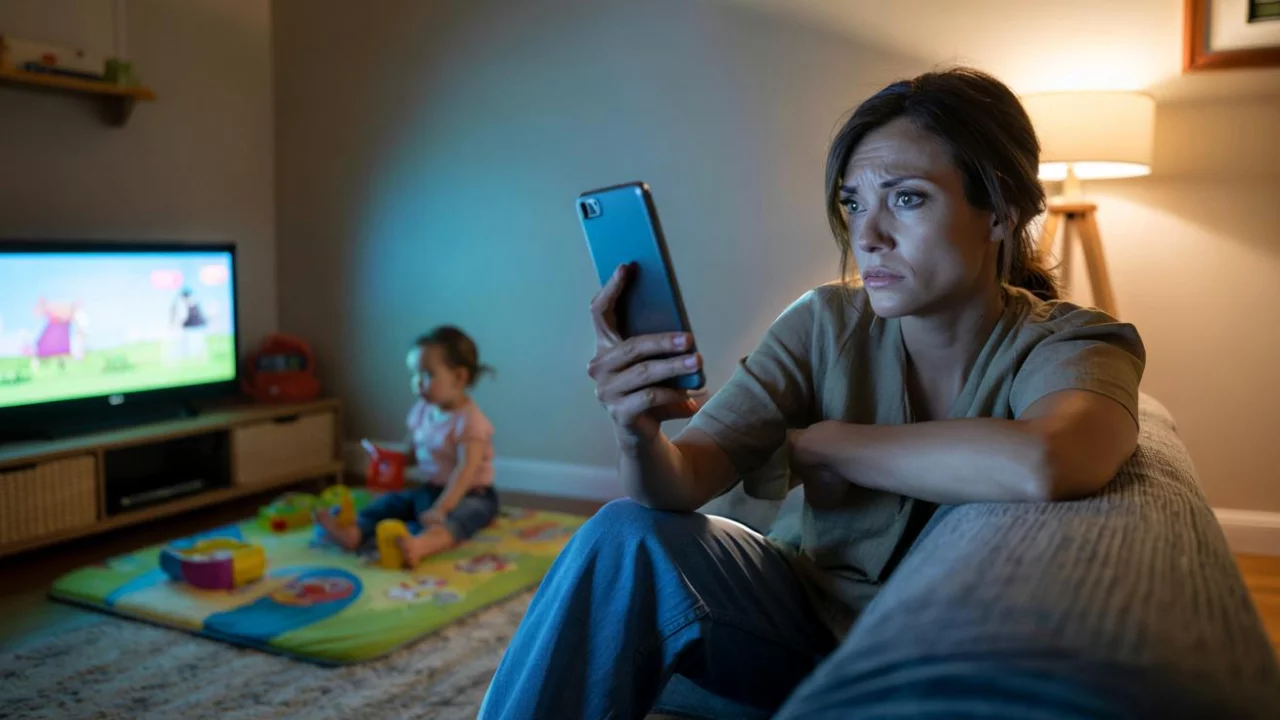
Sarah stares at the coffee growing cold on her kitchen counter while her toddler demands another snack for the third time in an hour. Her phone buzzes with a text from her childless friend inviting her to a spontaneous dinner—the kind of evening that used to be normal, now impossible. She types back a polite decline, adding a smiley face to hide the sting of missing out again.
Later that night, after bedtime stories and cleanup, Sarah finds herself typing into Google: “Do other parents regret having kids?” She deletes it quickly, feeling guilty for even thinking it. But the thought lingers, heavy and unspoken.
She loves her child deeply. That’s never been the question. What haunts her is simpler and more complicated: “If I’d known how lonely this would feel, I wouldn’t have done it.”
When loving your child isn’t enough to fill the void
Parental regret has become the whispered confession of modern family life. Parents are finally admitting what previous generations kept buried: sometimes the reality of raising children doesn’t match the dream they were sold.
This isn’t about not loving their kids. It’s about grieving the life that disappeared overnight—the spontaneous plans, uninterrupted conversations, financial freedom, and personal identity that got lost in the chaos of diapers and school runs.
“We’re seeing more parents willing to acknowledge these feelings because social media has created spaces where they can speak anonymously,” explains Dr. Rachel Martinez, a family psychologist. “The taboo is slowly lifting, but the guilt remains intense.”
The loneliness hits hardest. Despite being surrounded by family, many parents feel more isolated than ever. Adult conversations become rare. Friendships with childless people often fade. The village that was supposed to help raise the child simply doesn’t exist for most families.
The real reasons behind parental regret
Modern parenting comes with unique pressures that earlier generations didn’t face. The expectations are higher, the support systems weaker, and the financial burden heavier.
The most common triggers for parental regret include:
- Social isolation – Loss of adult friendships and social connections
- Career derailment – Particularly affecting women who face motherhood penalties at work
- Financial strain – Childcare costs now rival mortgage payments in many areas
- Relationship deterioration – Couples struggle to maintain intimacy and connection
- Loss of personal identity – Feeling like they’ve disappeared into the role of “parent”
- Mental health impacts – Higher rates of anxiety and depression among new parents
| Factor | Percentage Affected | Primary Impact |
|---|---|---|
| Sleep deprivation | 87% | Mental health, decision-making |
| Reduced social connections | 73% | Loneliness, support system loss |
| Financial stress | 68% | Anxiety, lifestyle changes |
| Career disruption | 64% | Income loss, identity crisis |
| Relationship strain | 59% | Partnership satisfaction |
“The Instagram version of parenthood doesn’t show you the 3 AM meltdowns or the marriage counseling sessions,” notes parenting researcher Dr. James Chen. “We’ve created an impossible standard that leaves real parents feeling like failures.”
The pandemic made everything worse. Suddenly, parents were home 24/7 with their children, juggling work and childcare without relief. Many realized for the first time how much their previous happiness had depended on regular breaks from parenting.
The ripple effects splitting families and communities
When parents confess their regrets, it creates shockwaves that extend far beyond their immediate family. Grandparents feel hurt and defensive. Childless friends don’t know how to respond. Online communities split between those offering support and others expressing outrage.
The confession “I regret having children” has become a lightning rod that reveals deeper societal tensions about parenting, gender roles, and what constitutes a fulfilling life.
Family relationships often suffer the most. When a parent admits regret, grandparents frequently interpret it as rejection of their parenting advice or family values. Siblings with children may feel defensive about their own choices. Those without children might feel validated in their decision—or terrified of their own potential future.
“These admissions force everyone to confront uncomfortable truths about modern parenting,” explains family therapist Dr. Lisa Thompson. “It’s easier to attack the messenger than examine why so many parents are struggling.”
The internet amplifies the controversy. Anonymous confessions on Reddit generate thousands of comments, split between empathy and condemnation. Facebook groups become echo chambers where parents either find community or face harsh judgment.
Some positive changes are emerging from these difficult conversations. More employers are recognizing the need for flexible work arrangements. Mental health resources for new parents are expanding. The pressure to present perfect family lives on social media is slowly being challenged.
Yet the fundamental issues remain: inadequate support systems, unrealistic expectations, and a society that romanticizes parenthood while providing little practical help to struggling families.
The parents expressing regret aren’t asking for pity or validation of poor choices. They’re asking for honesty about what parenthood really involves and support systems that acknowledge the complexity of modern family life.
“Admitting parental regret doesn’t make someone a bad parent,” Dr. Martinez emphasizes. “It makes them human. The shame and silence only make the isolation worse.”
For parents like Sarah, finding others who share these feelings can be the first step toward building the support they actually need—not judgment, but genuine understanding of how to navigate love, loss, and the messy reality of raising children in today’s world.
FAQs
Is it normal to regret having children?
Yes, parental regret is more common than most people admit, affecting an estimated 7-14% of parents at some point. It doesn’t mean they don’t love their children.
Does parental regret mean someone is a bad parent?
Not at all. Many parents who experience regret are still loving, attentive caregivers who provide excellent care for their children.
Can parental regret be treated?
Yes, therapy, support groups, and addressing underlying issues like depression or isolation can help parents process these feelings constructively.
Why are more parents talking about regret now?
Social media provides anonymous spaces to discuss taboo topics, and modern parenting pressures are uniquely challenging compared to previous generations.
How can society better support struggling parents?
Better childcare options, workplace flexibility, community support systems, and reducing the stigma around parental struggles would help significantly.
Should people considering children be warned about potential regret?
Honest conversations about parenting challenges, not just the joys, can help people make more informed decisions about whether to have children.











Leave a Comment