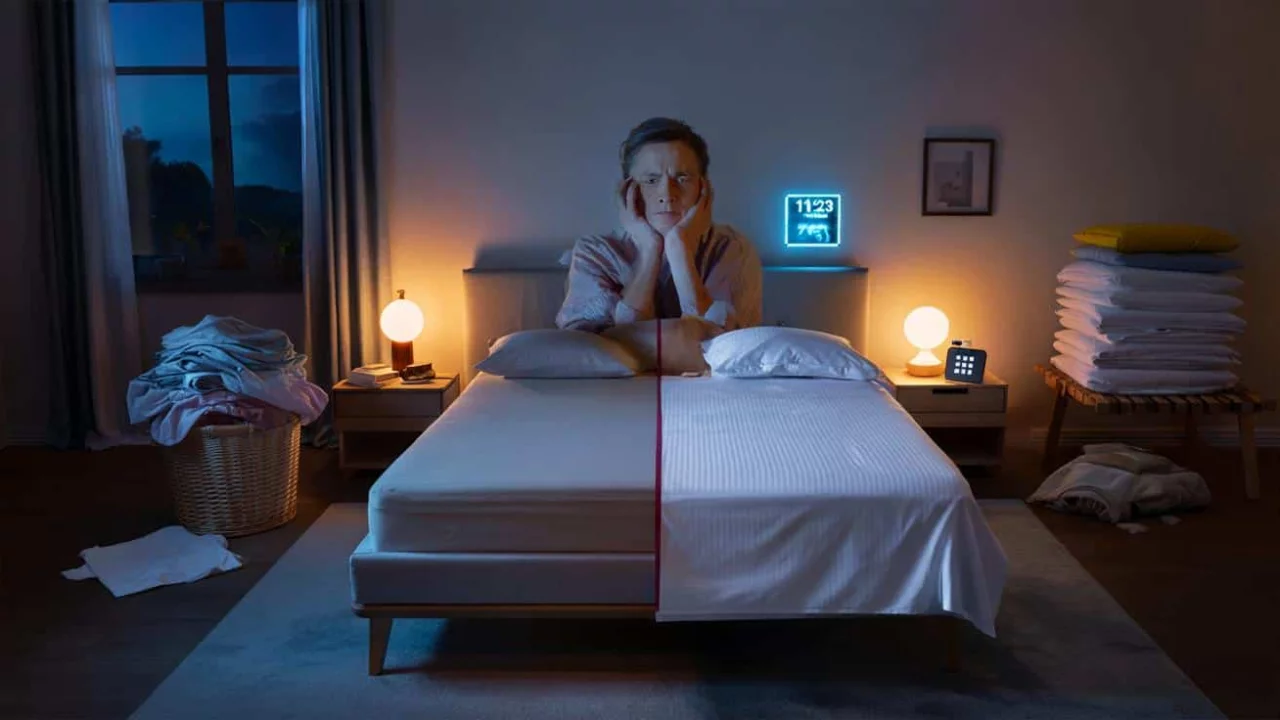
Sarah stares at her unmade bed at 11:47 PM on a Tuesday, holding a fresh set of sheets in one hand and her phone in the other. She’s scrolling through TikTok comments where someone just declared that anyone who doesn’t change their sheets weekly is “basically sleeping in bacteria soup.” Her last sheet change was… she counts backward… eighteen days ago? Maybe twenty-one?
The guilt hits instantly. She’s a clean person. She showers daily, keeps her apartment tidy, and even uses those fancy pillow sprays. But life happened – work deadlines, a weekend trip, that stomach bug that knocked her out for three days. Now she’s standing here wondering if she’s somehow failed at basic adulting.
Sound familiar? You’re not alone, and you’re definitely not gross.
The Real Science Behind Sheet Changing Frequency
Here’s what sleep experts and dermatologists actually say about sheet changing frequency: the rigid “every week or you’re disgusting” rule is more internet mythology than medical necessity. Dr. Lindsay Browning, a renowned sleep psychologist, recently challenged this assumption by stating that healthy adults can often go 10-14 days between changes, and in some cases, even up to three weeks.
“The idea that sheets must be changed every seven days is social pressure masquerading as health advice,” explains Dr. Michael Chen, a dermatologist at NYU Medical Center. “Your bed is an ecosystem, yes, but it’s not automatically a dangerous one.”
A British survey of 2,000 adults revealed that the average person changes their sheets every 24 days. While social media had a field day mocking this statistic, the reality is simpler: most of these people weren’t getting sick, developing skin problems, or living in unsanitary conditions.
The truth about optimal sheet changing frequency depends on several personal factors, not a one-size-fits-all timeline. Your lifestyle, health status, sleep habits, and environment all play crucial roles in determining what works for you.
Your Personal Sheet Schedule: What Actually Matters
The emerging expert consensus points to a flexible approach based on real-life factors rather than arbitrary weekly deadlines. Here’s what actually influences how often you should change your sheets:
| Factor | Weekly Changes | Bi-Weekly Changes | Extended (3+ weeks) |
|---|---|---|---|
| Shower timing | Morning only | Night routine | Night + minimal sweating |
| Sleep partners | Partner + pets | Partner only | Sleep alone |
| Health factors | Acne, allergies, excessive sweating | Generally healthy | Minimal health concerns |
| Climate | Hot, humid conditions | Moderate temperature | Cool, dry environment |
| Activity level | High-intensity workouts | Moderate exercise | Low activity/desk job |
“If you shower before bed, sleep alone, and don’t sweat heavily, every two weeks is perfectly fine,” notes Dr. Amanda Rodriguez, a microbiologist specializing in household hygiene. “The key is being honest about your actual conditions, not following someone else’s routine.”
For most healthy adults, the sweet spot falls between 7-14 days. Here are the main considerations:
- Weekly changes are ideal if you: Sweat heavily during sleep, have acne or sensitive skin, sleep with pets, or live in a humid climate
- Bi-weekly changes work well if you: Shower before bed, sleep alone or with one clean partner, have no major skin issues
- Monthly changes are pushing it for most people: Dust mites accumulate, oils build up, and freshness definitely suffers
The “3-2-1 Method” offers a practical framework: Ask yourself three questions, give yourself two weeks as a baseline, and adjust by one week in either direction based on your answers.
Making Sheet Changes Actually Happen in Real Life
Knowing the ideal frequency is one thing. Actually doing it consistently is another challenge entirely. The biggest obstacle isn’t laziness – it’s treating sheet changing as a vague moral obligation instead of a simple scheduled task.
“I see clients who stress about sheet changing more than they stress about actual health issues,” says Marie Kondo-certified organizer Jessica Park. “The guilt around this topic is completely disproportionate to the actual impact.”
Here’s a realistic approach that actually works:
- Pick a specific trigger: Every second Sunday after grocery shopping, or the first Saturday of each month
- Set up your space: Keep extra sheet sets easily accessible, not buried in a linen closet
- Bundle the task: Change sheets when you vacuum the bedroom or do a load of towels
- Use phone reminders: Set a recurring alert with the exact task: “Change bedroom sheets – 15 minutes”
The reality check here is important: perfectionism around sheet changing frequency often creates more stress than dirty sheets ever could. A 2023 study found that people who felt guilt about household tasks like laundry reported higher overall stress levels, regardless of their actual cleanliness habits.
Some practical tips that make the biggest difference:
- Buy an extra set of sheets so you’re never stuck with just one
- Strip the bed in the morning, throw sheets in the washer, and make the bed with fresh ones before dinner
- If you miss your usual schedule, don’t restart the guilt cycle – just get back on track next time
“The people who change their sheets most consistently aren’t the ones following strict weekly rules,” observes Dr. Browning. “They’re the ones who found a rhythm that fits their actual life, not their idealized version of their life.”
Remember, your bedroom should be a place of rest and comfort, not a source of household anxiety. Find your personal sheet changing frequency based on your real circumstances, set up simple systems to maintain it, and let go of the perfectionist pressure that serves nobody.
FAQs
Can I really go three weeks without changing sheets if I shower at night?
Yes, if you’re healthy, shower before bed, sleep alone, and don’t sweat much, three weeks can be fine according to sleep experts.
Do expensive sheets need to be changed less often?
Higher quality fabrics may feel fresher longer, but they still accumulate the same oils, dead skin, and dust mites as any other sheets.
Should I wash sheets in hot water for better hygiene?
Warm water (around 104°F) effectively removes oils and kills dust mites without damaging most fabrics – hot water isn’t necessary for cleanliness.
What if I’m sick – do the rules change?
When you’re ill, especially with fever or respiratory symptoms, change sheets more frequently and wash in the hottest water safe for the fabric.
Do pets sleeping in bed really make that big a difference?
Pets add hair, dander, and outdoor particles to your bed, so weekly changes become more important for both hygiene and allergy management.
Is there a hygiene difference between washing sheets weekly versus every 10 days?
For most healthy people, the practical hygiene difference between 7 and 10-14 days is minimal – consistency matters more than exact timing.











Leave a Comment