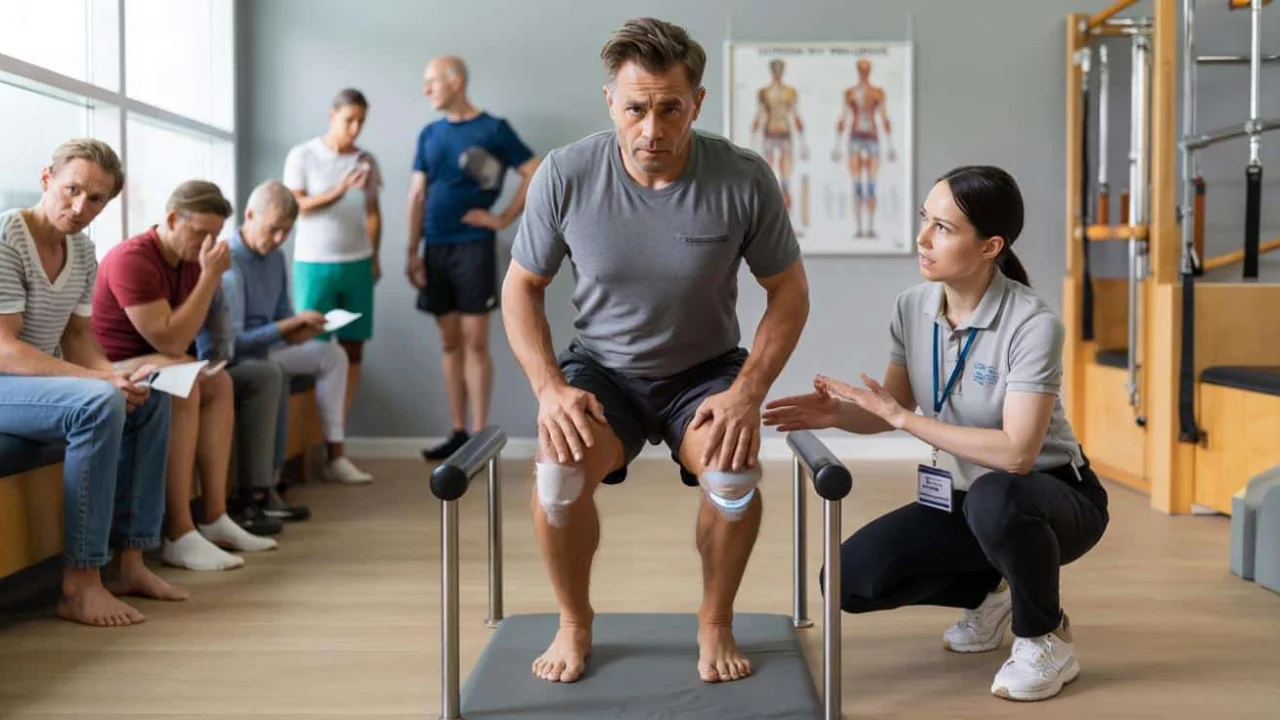
The physiotherapist looks almost apologetic as she speaks. “We’ve tried the pool, the bike, the classic stretches. Let’s test something more… controversial.” On the treatment table, Marc, 49, winces before even moving. Three years of knee pain, two MRIs, one pair of custom insoles, zero real relief. He’s been told to avoid deep bending “at all costs”. Now this specialist wants him to… squat.
Outside, the waiting room is full of the same story: people who can’t run after their kids, climb stairs without planning it, or stand through a concert. They’ve heard that swimming protects the joints, that Pilates “gently” strengthens everything. Yet the latest trend whispered between some sports doctors and rehab geeks is the exact opposite of what those cautious guidelines suggest.
Strange as it sounds, the move everybody told you to quit is making a controversial comeback in knee pain treatment.
The Great Squat Debate: Why Some Experts Are Changing Their Minds
Across rehab clinics, a quiet revolution is taking place. Some practitioners are starting to say out loud what they’ve been thinking for years: avoiding squats forever might be keeping knees weak, not safe. They watch patients baby their legs, always stopping before the bend gets “too low”, living in a semi-squat limbo that never truly loads the joint.
Dr. Jennifer Martinez, a sports medicine physician in Denver, puts it bluntly: “We’ve created a generation of people terrified to move their knees through full range of motion. Then we wonder why they can’t handle real-world demands.”
For this new wave of experts, the real enemy isn’t bending—it’s fragility. The knee doesn’t just flex and extend in a lab setting. It twists when you get out of the car, absorbs shocks when you miss a step, locks and unlocks dozens of times daily. Training those movements, within reason, can be a form of protection instead of punishment.
But here’s where it gets complicated. The medical community remains sharply divided on using squats for knee pain relief. Traditional orthopedic wisdom still preaches caution, especially for people with existing cartilage damage or inflammatory conditions.
“I’ve seen too many patients make their problems worse by pushing through pain they thought was ‘normal,'” says Dr. Robert Chen, an orthopedic surgeon who remains skeptical of the squat rehabilitation trend. “There’s a difference between therapeutic movement and risky loading.”
What the Research Actually Shows About Squats for Knee Pain
The evidence supporting squats for knee pain is surprisingly mixed, which explains why medical professionals can’t agree. Recent studies have produced conflicting results that fuel both sides of the debate.
| Study Focus | Participants | Results | Key Finding |
|---|---|---|---|
| Controlled squats vs. traditional PT | 120 adults with patellofemoral pain | 35% greater pain reduction in squat group | Proper form was crucial |
| Deep squats in older adults | 85 patients over 50 | No significant improvement | Age may be a limiting factor |
| Bodyweight squats for runners | 200 recreational athletes | Reduced injury rates by 23% | Prevention vs. treatment unclear |
The pro-squat camp points to biomechanical benefits that sound compelling on paper:
- Improved quadriceps strength in functional positions
- Better hip mobility reducing knee strain
- Enhanced proprioception and balance
- Real-world movement patterns that mimic daily activities
- Potential to break fear-avoidance cycles
However, the risks remain very real. Poor squat technique can compress already irritated joint surfaces. Going too deep too quickly might inflame existing conditions. And some knee problems—like severe osteoarthritis or acute injuries—simply aren’t suitable for this approach.
Physical therapist Lisa Wong, who uses modified squats in her practice, emphasizes the nuanced approach required: “It’s not about telling everyone to start doing CrossFit tomorrow. We’re talking about carefully progressed, individually adapted movements that respect each person’s current limitations.”
The technique matters enormously. Advocates of squats for knee pain stress that form trumps depth every time. A shallow squat with perfect alignment might be more therapeutic than a deep squat with knees caving inward or excessive forward lean.
Who This Impacts and What It Could Mean for Treatment
This shift in thinking affects millions of people living with chronic knee pain. Current estimates suggest over 25% of adults experience regular knee discomfort, with many following traditional advice to avoid “risky” movements like squatting.
Take Sarah, a 38-year-old office manager who couldn’t pick up her toddler without knee pain shooting down her leg. After months of gentle exercises that barely challenged her muscles, her physical therapist introduced assisted squats using a resistance band. Within six weeks, she was lifting her daughter again—and questioning why nobody had tried this approach earlier.
But Sarah’s story isn’t universal. Michael, a 55-year-old teacher with moderate arthritis, tried a similar program and experienced increased inflammation that took weeks to settle. His experience illustrates why this approach remains controversial.
The debate has practical implications for healthcare systems too. If squats prove effective for certain types of knee pain, treatment protocols could shift dramatically. Instead of months of cautious, low-intensity therapy, patients might progress faster through more challenging but functional exercises.
Insurance coverage questions loom as well. Some providers remain hesitant to approve “aggressive” rehabilitation approaches, especially when safer alternatives exist. This creates a treatment gap where motivated patients might benefit from progressive loading but can’t access specialized care.
Dr. Martinez sees broader implications: “We might be doing patients a disservice by being overly protective. Sometimes the path through pain involves some controlled discomfort, not endless avoidance.”
The controversy also highlights a fundamental tension in modern medicine between evidence-based caution and clinical innovation. While researchers work to resolve the conflicting data, patients and practitioners must make real-world decisions about treatment approaches.
For now, the medical community remains split. Progressive practitioners are quietly incorporating modified squats into treatment plans, while conservative colleagues stick to traditional approaches. Patients find themselves caught in the middle, unsure whether their knee pain calls for protection or progressive challenge.
What seems clear is that one-size-fits-all recommendations—whether they favor or forbid squats—probably miss the mark. The future of knee pain treatment likely lies in more individualized approaches that consider each person’s specific condition, goals, and tolerance for risk.
FAQs
Are squats safe for everyone with knee pain?
No. Squats may help some people but could worsen others’ conditions, especially those with severe arthritis or acute injuries.
What’s the difference between therapeutic squats and regular squats?
Therapeutic squats are typically modified for depth, speed, and resistance based on individual limitations and supervised by qualified professionals.
How do I know if I should try squats for my knee pain?
Consult with a physical therapist or sports medicine doctor who can assess your specific condition and determine if progressive loading is appropriate.
Why are some doctors against using squats for knee rehabilitation?
Many doctors worry about the risk of further joint damage, especially in patients with existing cartilage problems or inflammatory conditions.
Can I start doing squats on my own if I have knee pain?
It’s not recommended. Proper assessment, technique instruction, and progressive programming are crucial for safety and effectiveness.
What should I do if squats make my knee pain worse?
Stop immediately and consult your healthcare provider. Increased pain could indicate the exercise isn’t appropriate for your condition.











Leave a Comment