My friend Sarah still keeps her original Tomb Raider disc from 1996 in a place of honor on her gaming shelf. She’s 38 now, a mother of two, but when she talks about first controlling Lara Croft through those pixelated Egyptian tombs, her eyes light up like she’s 12 again. “Lara taught me I could be brave,” she told me recently, “that women could be the heroes of their own stories.”
That conversation keeps echoing in my mind as news breaks about two major new tomb raider games heading our way. Because something fundamental has shifted in how Crystal Dynamics sees their iconic heroine, and it might just reflect how we’ve all grown up alongside her.
After years of speculation and franchise uncertainty, Lara Croft is officially back in a big way. But this isn’t the same tomb raider we remember from either the classic era or the gritty survival trilogy. Crystal Dynamics is presenting us with something entirely different: a mature, seasoned adventurer who bridges decades of storytelling into one unified vision.
The Voice That Changes Everything
The most striking change isn’t what you’d expect. It’s not new gear, updated graphics, or even a fresh setting. The transformation runs deeper than surface aesthetics.
British actor Alix Wilton Regan now voices Lara Croft across both upcoming tomb raider games. You might recognize her work from Dragon Age: Inquisition, Cyberpunk 2077, or Mass Effect 3. Her casting represents more than a simple recast – it’s a complete tonal shift.
“We wanted a Lara who could embody both the confidence of the classic games and the emotional depth of the reboot trilogy,” explains a Crystal Dynamics developer familiar with the project. “Alix brings this incredible range that lets Lara be vulnerable and formidable at the same time.”
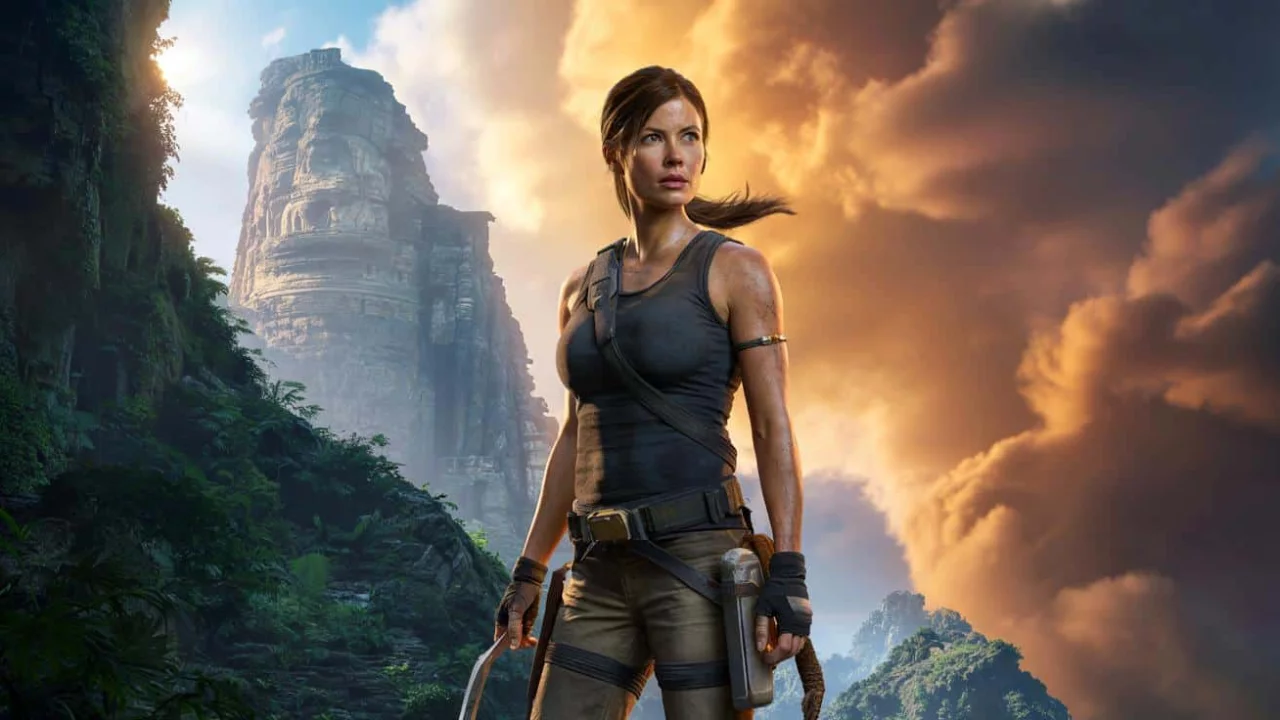
This new Lara sounds different, looks more mature, and carries herself with the confidence of someone who’s already survived her origin story. She’s no longer the wide-eyed survivor fighting just to stay alive. Instead, we’re getting a seasoned operator working on a much larger canvas.
Crystal Dynamics describes this version as charismatic, confident, and formidable. The studio wants to bridge the gap between the puzzle-focused classic adventures and the intense survival mechanics of recent tomb raider games.
What We Know About Both Games
Crystal Dynamics isn’t just developing one game – they’re launching two major projects that will define Lara’s future. Here’s everything we know so far:
| Game Title | Setting | Timeline | Key Features |
|---|---|---|---|
| Tomb Raider: Catalyst | Northern India | Several years after Underworld | Largest open world, Unreal Engine 5 |
| Second Project (TBA) | Unknown | Unified timeline | Details under wraps |
Tomb Raider: Catalyst represents the most ambitious entry Crystal Dynamics has attempted in years. Development began in 2022 through a partnership with Amazon Games, and the studio treats it as a cornerstone of their long-term franchise strategy.
The story sends Lara to northern India, chasing echoes of a forgotten cataclysm that left dangerous secrets buried beneath ancient ruins. This isn’t your typical treasure hunt – themes of trust, betrayal, and humanity’s fate take center stage.
Key features include:
- The largest open environment ever created for a tomb raider game
- Distinct biomes across northern India with hidden secrets
- Massive tomb complexes built around layered environmental puzzles
- Custom technologies and gear specific to this mature version of Lara
- Freeform exploration emphasizing discovery over linear progression
- Story connections to earlier games while remaining accessible to newcomers
“We’re moving away from the ‘monster-of-the-week’ approach,” notes an industry analyst who’s seen early development footage. “This feels more like a high-stakes archaeological mystery where every discovery matters to the bigger picture.”
The technical foundation runs on Unreal Engine 5, promising visual fidelity that matches the franchise’s cinematic aspirations. Crystal Dynamics emphasizes environmental storytelling and puzzle-solving over the shooting galleries that dominated recent entries.
Why This Evolution Matters Now
The timing of these tomb raider games feels significant beyond just franchise management. Gaming audiences have matured alongside Lara Croft, and many original fans now juggle careers, families, and responsibilities that make simple power fantasies less appealing.
“Gaming demographics have shifted dramatically since the reboot trilogy,” explains a digital entertainment researcher. “Players want characters who reflect their own growth and complexity, not just escapist fantasies.”
This mature approach could resonate with longtime fans while attracting newcomers who might have dismissed earlier entries as too simplistic or too gritty. Crystal Dynamics seems to understand that successful reboots need emotional authenticity, not just technical improvements.
The unified timeline approach also addresses a persistent franchise problem: continuity confusion. By positioning the reboot trilogy as Lara’s origin story and connecting it to classic adventures, Crystal Dynamics creates space for veteran and new players to engage without prerequisite knowledge.
Industry experts suggest this strategy reflects broader entertainment trends toward connected universes and character evolution across multiple projects. Rather than rebooting again, Crystal Dynamics is doubling down on character development and world-building.
For gaming culture, these tomb raider games represent something larger than franchise revival. They signal an industry willing to let beloved characters grow up alongside their audiences, acknowledging that nostalgia alone doesn’t sustain long-term engagement.
“The best franchises evolve with their fans,” observes a gaming industry veteran. “Lara Croft has always been about pushing boundaries and exploring the unknown. It makes sense that her character development would push boundaries too.”
Whether these changes will satisfy longtime tomb raider fans remains to be seen. Some might prefer the familiar dynamics of earlier games, while others will welcome this more sophisticated approach. What’s clear is that Crystal Dynamics is betting big on a vision that treats Lara Croft as more than just an action hero – they’re positioning her as a fully realized character capable of carrying complex, emotionally resonant adventures.
The real test will come when players actually get their hands on these tomb raider games and discover whether this mature Lara Croft can deliver the same sense of wonder and empowerment that made the franchise legendary in the first place.
FAQs
When will the new tomb raider games be released?
Crystal Dynamics hasn’t announced specific release dates, but Tomb Raider: Catalyst is expected sometime in 2024 or 2025.
Do I need to play previous games to understand the new ones?
No, both games are designed to work for newcomers while rewarding longtime fans with deeper connections to the series.
Why did they change Lara Croft’s voice actor?
Crystal Dynamics wanted a voice that could represent this more mature, seasoned version of Lara who bridges the classic and reboot eras.
Will these games be available on all platforms?
Platform availability hasn’t been officially confirmed, but given the Amazon Games partnership, expect major console and PC releases.
How does the new Lara differ from previous versions?
She’s more confident and mature, positioned as a veteran adventurer rather than either the classic action hero or the vulnerable survivor from recent games.
What happened to the survival mechanics from the reboot trilogy?
Crystal Dynamics is shifting focus toward exploration and puzzle-solving, though some survival elements may remain integrated into the gameplay.











Leave a Comment