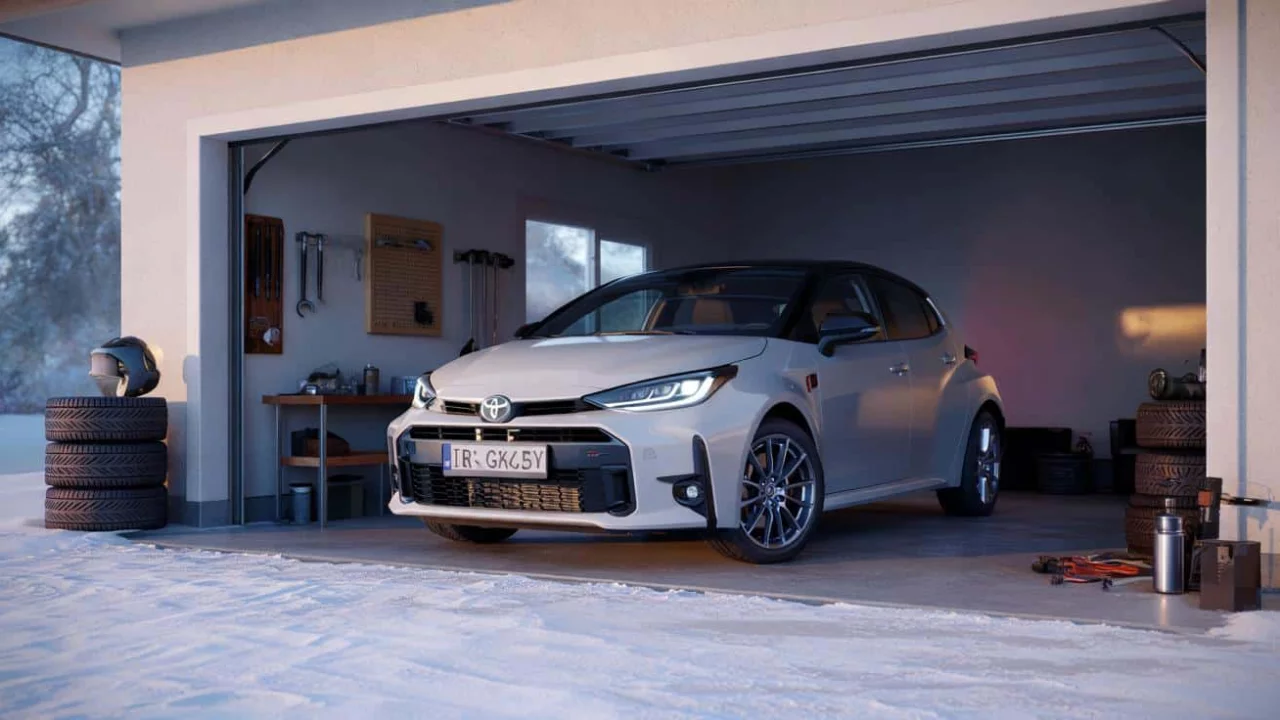
Sarah Martinez parks her mundane sedan in the garage every night, scrolling through rally videos on her phone while the engine ticks cool. She watches drivers fling lightweight hatchbacks through forest stages, dreaming of that distinctive turbo whistle and the crack of anti-lag systems. Last Tuesday, she walked into a Toyota dealership thinking about a practical daily driver.
She drove out in something that sounds like it belongs on a rally stage, not in suburban traffic.
The salesperson barely mentioned that the GR Corolla sitting on the lot was essentially a street-legal rally car. Sarah discovered that part when she fired it up for the first time.
Toyota’s motorsport engineers just handed you the keys to their playground
Toyota didn’t advertise this as a revolution. They simply took their World Rally Championship technology, wrapped it in a hatchback body, and started selling it to anyone with a driver’s license and decent credit score. The GR Yaris and GR Corolla aren’t just performance cars with rally-inspired styling—they’re actual homologation specials designed to meet racing requirements.
This Toyota rally car philosophy runs deeper than most enthusiasts realize. While other manufacturers bolt on spoilers and call it sporty, Toyota’s Gazoo Racing division started with their WRC program and worked backward to create road cars.
“We didn’t want to make another hot hatch,” explains former Toyota WRC engineer Tomoya Takahashi. “We needed these cars to exist so we could go rallying. The fact that people can buy them is almost secondary.”
The engineering tells that story. Three-cylinder turbocharged engines that rev like motorcycles. All-wheel-drive systems borrowed directly from rally cars. Manual transmissions when the industry pushes automatics. These machines prioritize driver engagement over convenience.
What makes these Toyota rally cars different from everything else
The specifications read like someone’s rally fantasy wish list rather than a practical road car brochure. Toyota’s GR models pack serious motorsport DNA into surprisingly affordable packages.
| Model | Engine | Power | Drivetrain | Weight | 0-60 mph |
|---|---|---|---|---|---|
| GR Yaris | 1.6L 3-cylinder turbo | 268 hp | AWD | 2,822 lbs | 5.5 seconds |
| GR Corolla | 1.6L 3-cylinder turbo | 300 hp | AWD | 3,249 lbs | 4.9 seconds |
Those numbers only tell part of the story. The real magic happens in the details that separate these cars from typical performance hatchbacks:
- Carbon fiber roof panels that lower the center of gravity
- Rally-derived suspension geometry designed for rough surfaces
- Torque-vectoring all-wheel drive with three selectable modes
- Six-speed manual transmissions with rev-matching
- Lightweight construction using aluminum doors and tailgates
- Track-focused aerodynamics that actually function at legal speeds
“The first time you nail a perfect heel-toe downshift into a tight corner, you understand why Toyota bothered with all this,” says automotive journalist Marcus Chen, who’s owned both GR models. “These cars reward proper driving technique like nothing else in their price range.”
The three-cylinder engine choice initially puzzled enthusiasts expecting traditional four-cylinder power. Toyota’s engineers knew better. The shorter, lighter engine sits further back in the chassis, improving weight distribution for better handling balance.
Why rally fans are emptying their savings accounts
These Toyota rally cars hit the market at exactly the right moment. Enthusiast drivers have spent years complaining that modern performance cars prioritize straight-line speed over driving enjoyment. Meanwhile, rally fans could only dream of owning something that captured the spirit of their favorite sport.
The pricing strategy makes these dreams surprisingly accessible. Starting around $37,000 for a GR Corolla, Toyota undercuts European rivals by significant margins while offering genuine motorsport pedigree.
Rally communities have embraced these cars beyond Toyota’s wildest projections. Local rally events now feature dozens of GR models, their owners treating public roads like reconnaissance stages and weekend track days like competitive events.
“I sold my BMW M2 to buy a GR Yaris,” admits club racer Jennifer Walsh. “The BMW was faster in a straight line, but the Toyota makes every drive feel like an adventure. Even grocery runs become memorable when you’re driving something this engaging.”
The waiting lists tell the real story. Dealers report months-long delays for both models, with some customers paying premiums for immediate availability. Toyota’s production capacity simply cannot meet demand from rally enthusiasts who’ve waited decades for cars like these.
Social media feeds overflow with owners documenting their adventures—dirt road expeditions, track day sessions, and spirited mountain drives that showcase these cars’ versatility. The community aspect mirrors rally culture itself, with owners sharing driving tips and modification advice.
Toyota’s timing couldn’t be better. As electric vehicles dominate headlines and automatic transmissions become standard, these manual, gasoline-powered rally machines feel increasingly special. They represent a direct connection to motorsport heritage that newer technologies cannot replicate.
The secondary market reflects this enthusiasm. Used GR models often sell for more than their original sticker prices, particularly limited editions and early production examples. Collectors recognize these cars as significant moments in automotive history—the last hurrah of analog performance cars.
For rally fans who grew up watching World Rally Championship coverage, owning a Toyota rally car feels like holding a piece of that history. The sound, the handling characteristics, and the pure mechanical engagement transport drivers back to the sport’s golden era while delivering modern reliability and safety.
FAQs
How much does a Toyota GR Corolla or GR Yaris cost?
The GR Corolla starts around $37,000, while GR Yaris pricing varies by market, typically ranging from $35,000-$45,000 depending on trim level and availability.
Are these cars reliable for daily driving?
Yes, both models use proven Toyota engineering with motorsport enhancements, offering rally car performance with typical Toyota reliability and dealer support.
What makes these different from other hot hatches?
These are genuine homologation specials built primarily to meet rally racing requirements, not just performance versions of regular cars with sporty modifications.
Can you actually take these cars rallying?
Absolutely—many owners participate in rally events, autocross, and track days, with the cars requiring minimal modifications for competitive use.
Why did Toyota use three-cylinder engines instead of four-cylinders?
The three-cylinder design is shorter and lighter, allowing better weight distribution and improved handling balance compared to traditional four-cylinder layouts.
How long are current waiting times for new orders?
Delivery times vary by location and dealer, but most customers face 3-6 month waits, with some popular configurations taking longer due to high demand.











Leave a Comment