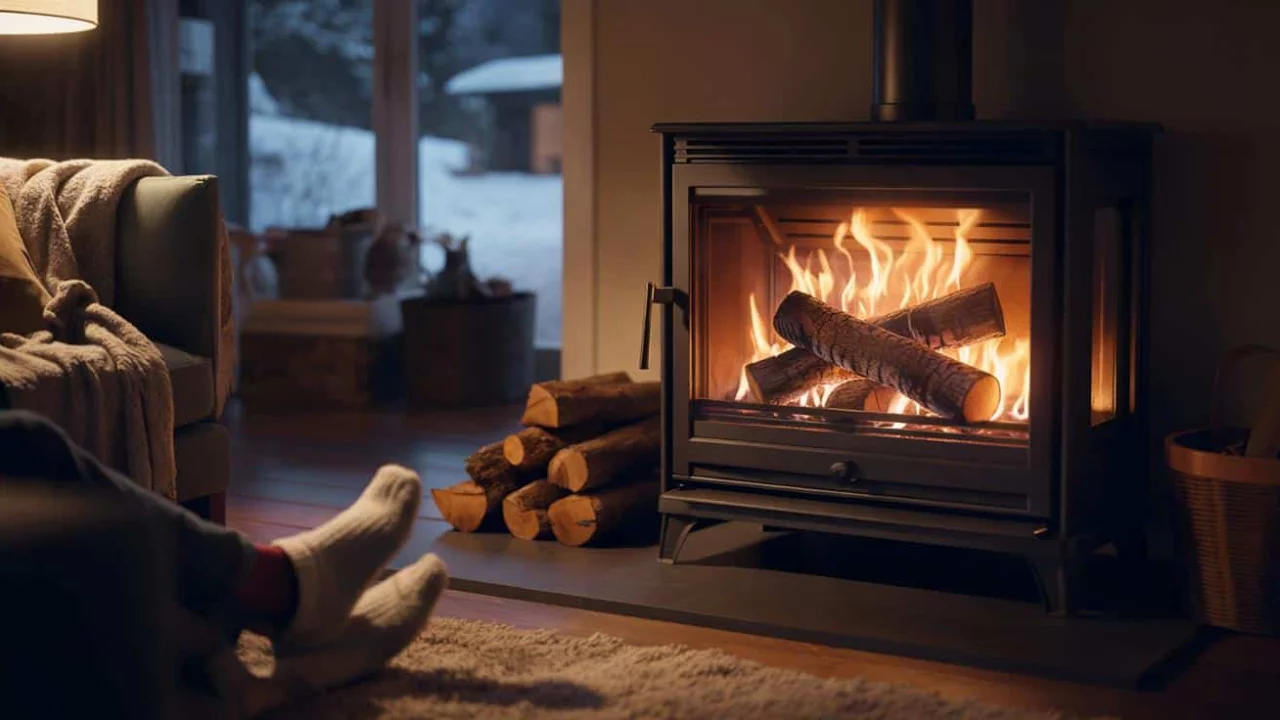
Last Tuesday night, I was staring at what should have been a perfect fire. The flames danced beautifully against the glass door, the logs crackled with that satisfying sound we all love, and I’d just loaded it with enough wood to heat a small cabin. Yet somehow, my living room felt like it was divided into climate zones – scorching near the stove, arctic by the windows.
I’d been burning wood for three winters, thinking I had it figured out. Load the logs, adjust the damper, enjoy the warmth. Simple, right? But after stumbling across a heated discussion in an online forum about wood heating efficiency, I decided to try something different. One small change in how I loaded the wood.
Thirty minutes later, the difference was so dramatic I actually walked around the house checking if I’d accidentally turned on the furnace. The heat felt fuller, richer, and spread evenly throughout the room. That one adjustment transformed my decent wood stove into a heating powerhouse.
The game-changing technique that most people get backwards
Most of us load our wood stoves the same way we’d build a campfire – big logs on the bottom, smaller pieces on top, light it from below and hope for the best. It works, sort of. You get flames and heat, but you’re missing out on the real potential of your wood heating system.
The technique that’s been quietly revolutionizing wood heating efficiency is called “top-down burning,” and it flips everything you think you know about fire-building upside down. Instead of lighting from the bottom, you build your fire in reverse layers and light it from the top.
“The physics are actually quite simple,” explains Mark Stevens, a combustion engineer who’s spent fifteen years studying residential heating systems. “When you burn from the top down, you create a more complete combustion process. The flames burn through each layer gradually, which means less smoke, more heat, and significantly better fuel efficiency.”
How to master the top-down method in five simple steps
Here’s exactly how to build a top-down fire that maximizes your wood heating efficiency:
- Layer 1: Place your largest logs at the very bottom of the firebox, parallel to each other with small gaps for airflow
- Layer 2: Add medium-sized logs perpendicular to the bottom layer, creating a crisscross pattern
- Layer 3: Stack smaller split wood on top, again changing direction
- Layer 4: Add kindling and small dry twigs in a loose nest formation
- Layer 5: Top with newspaper, birch bark, or fire starter, then light from the very top
The key is patience. Don’t rush to add more wood or adjust dampers immediately. Let the fire establish its own rhythm as it burns down through each layer.
| Traditional Bottom-Up Method | Top-Down Method |
|---|---|
| Burns hot initially, then dies down | Steady, consistent heat output |
| Requires frequent reloading | Burns 2-3 times longer per load |
| Produces more smoke and creosote | Much cleaner burn, less chimney buildup |
| Heat output varies dramatically | Even temperature throughout burn |
| Uses 20-30% more wood | Maximum efficiency from each log |
The results speak for themselves. Sarah Martinez, who heats her 2,400-square-foot home entirely with wood, switched to top-down burning last month. “I’m using about a third less wood than last winter,” she says. “The house stays warmer, and I’m not constantly babysitting the fire.”
Why this simple switch transforms your entire heating experience
The magic happens because top-down burning creates what heating experts call “staged combustion.” As the fire burns downward, each layer ignites at the optimal time, creating a cascade of efficient burning that maximizes heat output while minimizing waste.
Traditional fires burn chaotically. Flames shoot up randomly, creating hot spots and cold spots. Much of your wood’s energy escapes up the chimney as smoke instead of heating your home. With top-down burning, the combustion is controlled and methodical.
“Think of it like a slow-release heating system,” explains Jennifer Walsh, a certified chimney sweep with twenty years of experience. “Instead of getting all your heat in the first hour and then scrambling to reload, you get steady warmth that lasts much longer.”
The environmental benefits are substantial too. Cleaner burning means fewer particulates released into the air, less creosote buildup in your chimney, and significantly reduced wood consumption. You’re essentially getting more heat from less fuel while reducing your environmental impact.
Beyond efficiency, there’s the practical side. Top-down fires require less maintenance once they’re established. You’re not constantly opening the door to rearrange logs or add kindling. The fire manages itself as it burns through each carefully arranged layer.
For people heating with wood as their primary source, this technique can cut heating costs dramatically. Jake Peterson, who lives off-grid in Vermont, estimates he’s saving over $800 this winter just by changing how he builds his fires. “Same stove, same chimney, same wood supplier,” he says. “The only difference is this loading method, and my wood pile is lasting way longer than expected.”
The learning curve is minimal. Most people master the technique within a few attempts, and once you see the difference in heat output and burn time, going back to traditional fire-building feels like throwing money up the chimney.
The timing couldn’t be better, either. With heating costs rising and more people choosing wood as a primary or supplemental heat source, maximizing wood heating efficiency has become crucial for both budgets and comfort. This one simple adjustment can transform a mediocre wood heating experience into something that rivals the best modern heating systems.
FAQs
Does top-down burning work in all types of wood stoves?
Yes, this method works in virtually any wood-burning appliance, from traditional stoves to inserts to outdoor furnaces.
What type of wood works best with this technique?
Well-seasoned hardwood with moisture content below 20% gives the best results, just like with any wood burning method.
How long does a top-down fire typically burn?
Depending on your stove size and wood load, you can expect 4-8 hours of steady heat, which is significantly longer than traditional fires.
Is it harder to get a top-down fire started?
Actually, it’s often easier because you’re lighting dry kindling and paper at the top rather than trying to get bottom logs to catch from underneath.
Will this method work if my chimney doesn’t draw well?
Top-down burning often improves draft issues because it produces less smoke and burns more efficiently, but severe draft problems should be addressed by a professional.
Can I add wood to a top-down fire while it’s burning?
Yes, but wait until the fire has burned down significantly, then add new logs using the same layering principle on top of the existing coals.











Leave a Comment