My neighbor Maria stood in her garden last week, staring at her vegetable patch with pure confusion. She pointed to a leafy green plant and asked, “Why does my kale look exactly like my cabbage? Did I mess up the seeds?” I walked over and gently broke the news: they weren’t different plants at all. They’re both brassica vegetables – the same species that decided to dress up differently for dinner.
The look on her face was priceless. Like I’d just told her that her twin cats were actually the same cat living a double life.
This happens more often than you’d think. We walk through grocery stores treating vegetables like completely separate entities, never realizing that half our shopping cart contains variations of the same plant family.
The great brassica masquerade party
Here’s where it gets wild: broccoli, cauliflower, cabbage, kale, Brussels sprouts, and kohlrabi are all the same plant. Literally. They’re all Brassica oleracea, just selectively bred over thousands of years to emphasize different parts.
“People are always shocked when I tell them their ‘superfood’ kale and their ‘boring’ cabbage are botanical twins,” says Dr. Sarah Chen, a plant genetics researcher at Cornell University. “It’s like finding out your favorite celebrities are actually siblings.”
Think about it this way: imagine you could breed humans to have enormous ears, or extra-long legs, or massive shoulders. That’s essentially what farmers did with wild brassica plants starting around 2,500 years ago.
Broccoli and cauliflower? Those are the flower buds, bred to be huge and tender before they bloom. Cabbage? That’s the leaves, wrapped tight into a ball. Brussels sprouts are tiny cabbages growing along the stem. Kale keeps the original leaf shape but makes them extra nutritious and tough.
| Vegetable | Plant Part | What Was Emphasized |
|---|---|---|
| Broccoli | Flower buds | Large, tender flowering heads |
| Cauliflower | Flower buds | Dense, white flowering heads |
| Cabbage | Leaves | Tightly wrapped leaf ball |
| Kale | Leaves | Large, loose, nutrient-dense leaves |
| Brussels Sprouts | Leaf buds | Mini cabbage-like buds along stem |
| Kohlrabi | Stem | Swollen, bulbous stem |
Your spice rack is playing tricks on you too
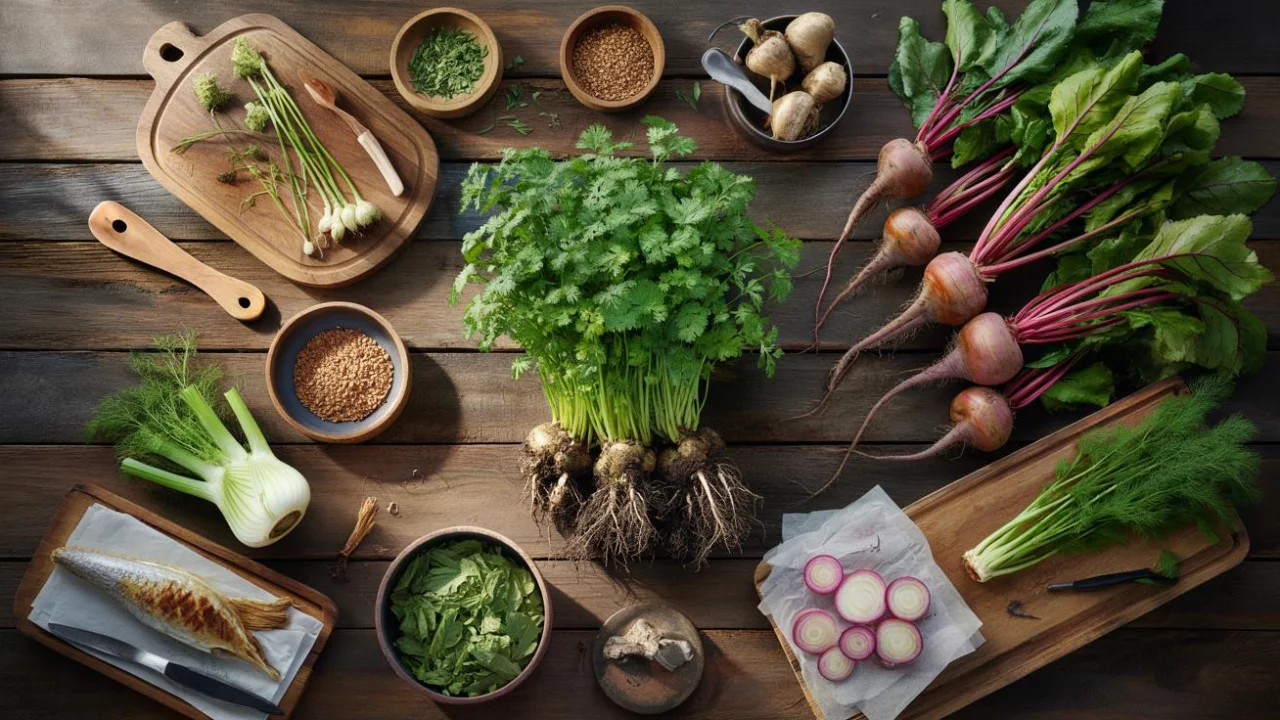
The brassica family isn’t the only one pulling this stunt. Walk into your kitchen right now and look at your spice rack. See that coriander? Those “totally different” cilantro leaves in your fridge? Same plant.
Coriandrum sativum gives us fresh cilantro leaves, dried coriander seeds, and even edible roots in some cuisines. People who claim they hate cilantro often love dishes seasoned with ground coriander, not realizing they’re eating the same plant.
“It’s like hating someone’s childhood photos but loving their adult headshots,” explains Chef Miguel Rodriguez, who runs a farm-to-table restaurant in Portland. “Same person, different stage of life.”
Then there’s the carrot family situation. Carrots, celery, parsnips, and fennel are all related. Dill, parsley, and caraway too. Your “herb” section and your “root vegetable” section are having family reunions you never knew about.
Even within single plants, we create artificial divisions. Take fennel: we eat the bulbous base as a vegetable, use the feathery fronds as an herb, and harvest the seeds as a spice. Three different “ingredients,” one plant.
Why this changes everything about how you shop and cook
Understanding these connections transforms your relationship with food. When you know that turnips and radishes are cousins, you start experimenting with turnip greens the way you might with radish tops.
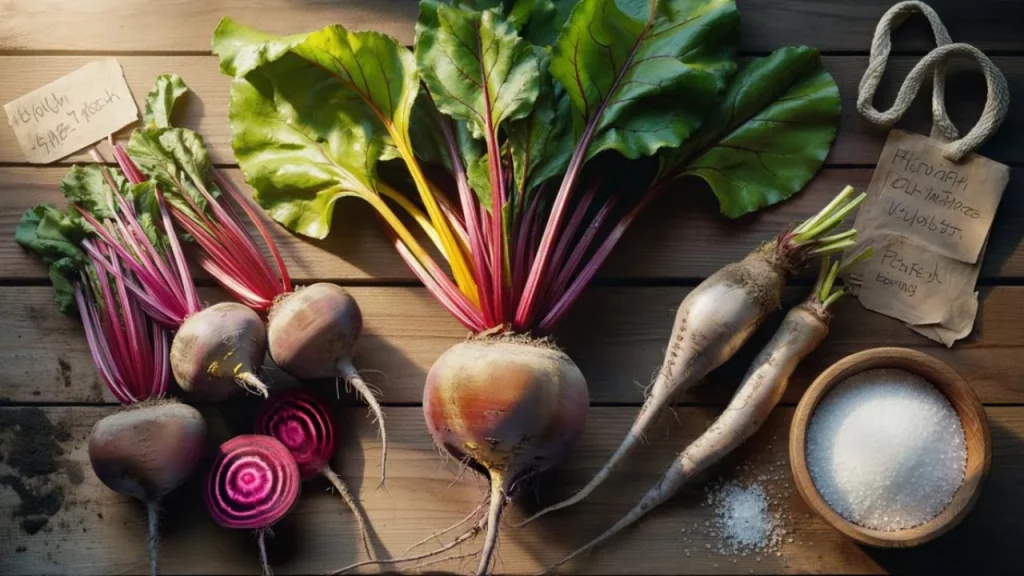
Those expensive “baby vegetables” at fancy restaurants? Often they’re just regular plants harvested young, or different parts of familiar plants. Baby fennel bulbs, microgreens that are just tiny versions of full-grown plants, beet greens sold separately from their roots.
“Once my customers understand these relationships, they become much more adventurous cooks,” notes Rodriguez. “They stop seeing vegetables as fixed categories and start seeing them as variations on themes.”
This knowledge also explains why certain vegetables pair so well together. Brassica vegetables share similar sulfur compounds, which is why cabbage and broccoli work beautifully in the same stir-fry. It’s not coincidence – it’s chemistry.
From a practical standpoint, knowing these connections helps you:
- Substitute ingredients more confidently when cooking
- Understand why certain vegetables have similar nutritional profiles
- Make better use of whole plants instead of wasting parts
- Predict which vegetables will grow well together in your garden
- Save money by buying versatile plants that give you multiple ingredients
The next time you’re at the grocery store, try this experiment: look at the produce section like you’re meeting a big, complicated family at a reunion. That intimidating bunch of kale? It’s just cabbage’s athletic sibling. Those fancy Brussels sprouts? Baby cabbages showing off.
Dr. Chen puts it perfectly: “Plants don’t read our grocery store signs. They don’t know they’re supposed to be in different categories. They’re just being themselves – we’re the ones who decided to call them different names.”
FAQs
Are Brussels sprouts really just tiny cabbages?
Yes! They’re both Brassica oleracea, just bred to produce small buds along the stem instead of one large head.
Why do cilantro and coriander taste so different if they’re the same plant?
The leaves (cilantro) and seeds (coriander) have different chemical compounds. Seeds develop different flavors as they mature and dry.
Can I grow multiple brassica vegetables from the same plant?
No, each plant is bred for one specific trait. But you can often eat multiple parts – like broccoli leaves and stems along with the florets.
Do related vegetables have similar nutritional benefits?
Generally yes. Brassica vegetables all contain similar antioxidants and compounds, though in different concentrations.
Why don’t seed companies tell us vegetables are related?
Marketing works better with distinct categories. “Superfood kale” sells better than “alternative cabbage form.”
What other “different” vegetables are actually the same plant?
Turnips and rutabagas are closely related, as are all the root vegetables in the carrot family like parsnips, celery root, and carrots themselves.






Leave a Comment