Sarah thought she’d cracked the code. The bathroom sink had been backing up for weeks, and after three bottles of different drain cleaners, the water finally whooshed down like it was supposed to. She took a photo of the clear drain and texted her roommate: “Fixed it!” Two days later, the kitchen sink started gurgling. Then the shower. By the end of the week, she was standing ankle-deep in soapy water, wondering how one “fixed” drain had somehow infected the entire apartment.
Her plumber just shook his head when he arrived. “Classic case,” he muttered, feeding his camera snake into the pipes. “Your blockage didn’t disappear. It just went on vacation down the line.”
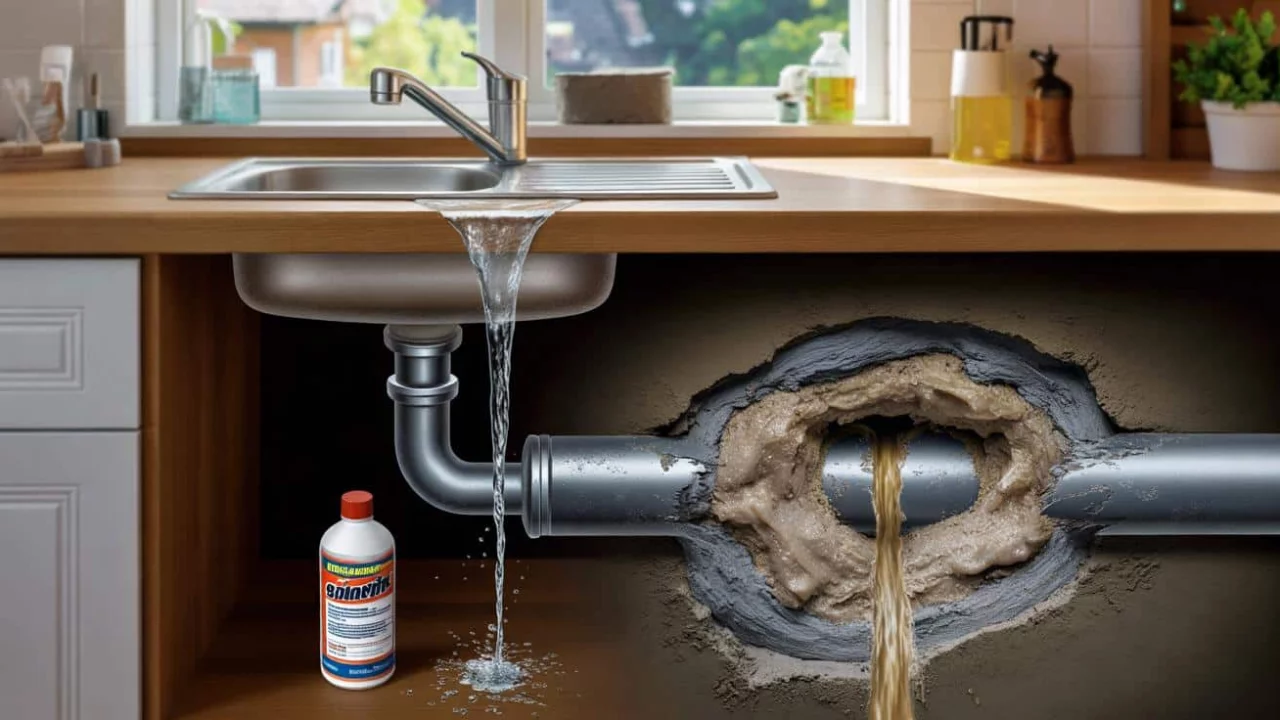
This is the dirty secret behind most quick-fix drain blockage solutions: they don’t actually solve the problem. They relocate it.
The great drain shell game
Most commercial drain cleaners work like a battering ram. They blast through whatever’s blocking your immediate pipe with caustic chemicals or high pressure, clearing the path so water flows again. Mission accomplished, right?
Not quite. That hair ball, soap scum, or food debris doesn’t just vanish into thin air. It gets pushed further down your plumbing system, often settling in a spot that’s harder to reach and more expensive to fix.
“I see this constantly,” says Mike Rodriguez, a master plumber with 15 years of experience. “People use these products thinking they’re saving money, but they’re often just making the problem worse and more costly down the road.”
The physics are simple but frustrating. Your home’s plumbing is like a tree trunk with branches. When you force a blockage out of a smaller pipe, it travels until it hits a junction, a bend, or a wider section where it can settle again. Sometimes that’s just a few feet away. Sometimes it’s in your main sewer line.
What really happens when drains “get fixed”
Different drain blockage solutions create different problems, and understanding them can save you hundreds of dollars in future repairs:
| Solution Type | How It Works | Where Blockage Ends Up | Typical Cost Impact |
|---|---|---|---|
| Chemical drain cleaners | Dissolves some materials, pushes others | Main drain line or sewer connection | $200-800 professional clearing |
| Plunging | Creates pressure to dislodge clogs | Next pipe junction or bend | $100-300 snake service |
| Drain snake (DIY) | Physically pushes blockage through | Further down same line | $150-400 professional removal |
| Water jetting | High-pressure water blast | Often fragments and scatters | $300-600 multiple location clearing |
The cruel irony is that the “stronger” the solution feels, the more likely it is to cause this problem. Those industrial-strength chemicals that make you feel like you’re really tackling the issue? They’re often just playing hot potato with your plumbing problem.
- Hair and soap clogs get pushed into wider pipes where they collect more debris
- Food waste moves into main lines where it hardens and creates larger blockages
- Chemical residue can actually make pipes “stickier” for future clogs
- Multiple treatments create layers of partially dissolved material deeper in the system
“The worst calls I get are from people who’ve been ‘fixing’ the same drain for months,” explains Jennifer Chen, a residential plumbing contractor. “By the time they call me, what started as a $75 problem has turned into a $500 excavation job.”
The real cost of fake fixes
When drain blockage solutions just move problems around, the financial impact multiplies fast. Here’s what really happens to your wallet:
First, there’s the obvious cost creep. You buy one bottle of drain cleaner, then another when the problem returns, then a different brand, then the “professional strength” version. Before you know it, you’ve spent $60 on chemicals that didn’t actually fix anything.
But the hidden costs are worse. That pushed-down blockage is now sitting somewhere harder to reach. Instead of a simple drain clearing that might cost $100, you’re looking at main line snaking ($300-500) or even sewer line replacement if the problem gets severe enough.
“I’ve seen cases where repeated chemical treatments actually damaged the pipes themselves,” notes Rodriguez. “The homeowner thought they were maintaining their plumbing, but they were corroding it from the inside out.”
Property damage is another sneaky expense. When that relocated blockage finally causes a backup, it’s often in a basement floor drain or main bathroom – places where sewage overflow creates serious cleanup costs.
The time factor matters too. Each “temporary fix” buys you maybe a few days or weeks before the problem resurfaces. Meanwhile, you’re living with slow drains, bad odors, and the constant stress of wondering when the next backup will hit.
“People don’t realize that a properly cleared drain should stay clear for months or even years,” Chen explains. “If you’re dealing with the same clog every few weeks, something’s definitely wrong with your approach.”
Some homeowners get trapped in an escalating cycle: chemical cleaner fails, so they try a stronger one, then rent a power snake, then call a budget drain service that uses the same push-it-through approach. Each step costs more money while making the underlying problem worse.
The smart money is on proper diagnosis first. A good plumber with a camera can show you exactly what’s blocking your drain and where it needs to be removed – not just pushed around. Yes, it costs more upfront, but it actually solves the problem instead of just relocating it.
FAQs
Why do drain cleaners seem to work at first?
They clear the immediate blockage by dissolving or pushing it through, so water flows normally again. But the underlying clog material often just moves to a different location in your pipes.
How can I tell if my drain problem is actually fixed?
A properly cleared drain should stay clear for months. If the same drain backs up again within a few weeks, the blockage was likely just moved, not removed.
Are there any drain cleaners that actually remove blockages completely?
Enzymatic cleaners can break down organic matter over time, but they work slowly. Most “instant” solutions just relocate the problem.
What’s the best way to actually fix a recurring drain clog?
Have a plumber use a camera to locate the blockage, then physically remove it with the right tools. This costs more initially but saves money long-term.
Can pushed-down blockages damage my plumbing system?
Yes, relocated clogs can cause backups in main lines, damage pipe joints, or create multiple blockage points that require expensive repairs.
How much should I expect to pay for a permanent drain fix?
Professional drain clearing typically costs $100-300, while main line clearing runs $300-600. Both are cheaper than dealing with recurring problems and potential water damage.











Leave a Comment