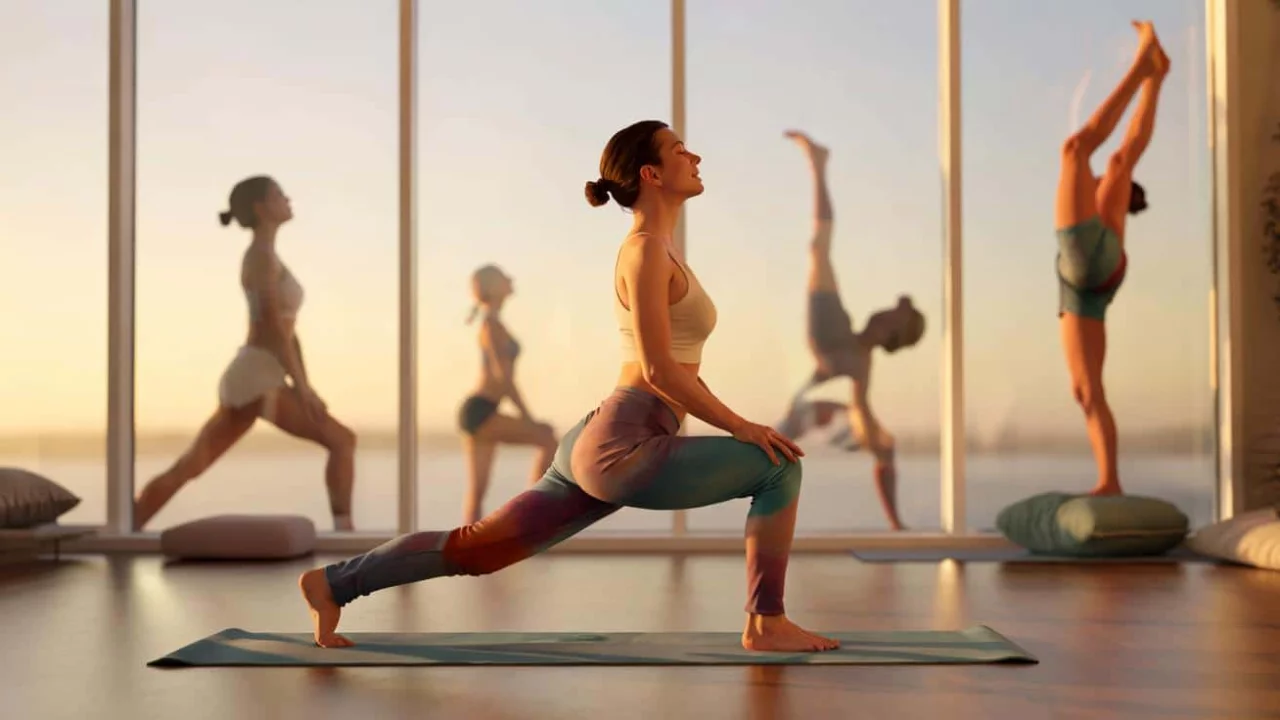
Sarah noticed it first when she tried to check her blind spot while driving. What used to be an effortless glance over her shoulder had become a stiff, uncomfortable twist that sent a sharp reminder through her neck and upper back. At 34, she felt like her body was betraying her daily routine.
That evening, as she struggled to bend down and pick up her daughter’s toys from the living room floor, Sarah realized something had to change. The constant aches weren’t just inconvenient—they were stealing small joys from her everyday life.
Sound familiar? You’re not alone. Millions of people are discovering that strategic yoga poses for flexibility can transform how their bodies feel and move, without requiring years of practice or pretzel-like contortions.
Why your body craves these gentle movements
Modern life has a sneaky way of tightening our bodies. Hours hunched over keyboards, long commutes, stress that settles in our shoulders, and the natural aging process all contribute to that creaky, stiff feeling that seems to worsen each year.
But here’s what most people don’t realize: your body is remarkably adaptable. Just as it learned to accommodate poor posture and limited movement, it can relearn healthy patterns through consistent, gentle stretching.
“The beauty of yoga poses for flexibility is that they meet you where you are,” explains Dr. Maria Rodriguez, a physical therapist who incorporates yoga into her practice. “You don’t need to be flexible to start—flexibility comes from doing the work, not the other way around.”
These twelve poses target the most common trouble spots: tight hips from sitting, stiff shoulders from stress, and that nagging lower back that protests every morning. Each movement serves a purpose beyond just stretching—they help retrain your nervous system to allow greater range of motion.
The essential poses that unlock your body
Let’s break down the twelve yoga poses that can genuinely change how you feel in your body. These aren’t Instagram-worthy acrobatics—they’re practical movements designed for real people with real stiffness.
| Pose Category | Primary Benefits | Hold Time |
|---|---|---|
| Standing poses | Posture reset, balance improvement | 30-60 seconds |
| Seated stretches | Hip flexibility, spine mobility | 45-90 seconds |
| Floor poses | Deep release, nervous system calm | 1-3 minutes |
| Twists | Spine health, organ massage | 30-60 seconds each side |
Mountain Pose (Tadasana): This deceptively simple pose teaches your body what proper alignment feels like. Stand with feet hip-width apart, press evenly through your feet, and imagine a string pulling the crown of your head toward the ceiling.
Neck Rolls: Slowly and gently roll your head in semicircles, avoiding full circles. This releases the tension that builds up from looking down at phones and computers all day.
Cat-Cow Pose: On hands and knees, alternate between arching and rounding your spine. This movement lubricates the entire spinal column and releases lower back stiffness.
Child’s Pose: Kneel on the floor, sit back on your heels, and fold forward with arms extended. This pose gently stretches the hips, thighs, and lower back while calming the nervous system.
- Downward Facing Dog: Builds strength while stretching hamstrings and calves
- Seated Forward Fold: Releases tight hamstrings and lower back
- Pigeon Pose: Targets deep hip flexors that tighten from sitting
- Spinal Twist: Improves spine mobility and aids digestion
- Bridge Pose: Strengthens glutes while opening hip flexors
- Legs Up the Wall: Promotes circulation and relieves tired legs
- Cobra Pose: Counters forward head posture and strengthens back muscles
- Thread the Needle: Releases shoulder and upper back tension
“Most people are amazed at how much better they feel after just two weeks of consistent practice,” notes yoga instructor James Chen, who specializes in therapeutic yoga. “The key is showing up daily, even if it’s just for ten minutes.”
How these movements change your daily life
The real magic happens when you start noticing improvements in activities that have nothing to do with yoga. Suddenly, reaching for something on a high shelf doesn’t require a mental pep talk. Getting out of bed doesn’t involve a series of careful, creaky movements.
These yoga poses work because they address the root causes of stiffness, not just the symptoms. When you consistently move your joints through their full range of motion, you’re essentially teaching your body that it’s safe to be flexible again.
Regular practice of these poses can lead to:
- Better sleep quality as muscle tension decreases
- Improved mood from increased body awareness and endorphin release
- Enhanced athletic performance in other activities
- Reduced risk of injury during daily activities
- Greater confidence in physical movement
The beauty of focusing on yoga poses for flexibility is that the benefits compound over time. Week one might just feel like you’re going through the motions. By week three, you’re noticing that your jeans feel looser around the hips, or that you can turn your head further while driving.
“Flexibility isn’t just about touching your toes,” explains movement specialist Dr. Lisa Park. “It’s about having the freedom to move through life without your body being a limiting factor in what you want to do.”
Start with just three or four poses that feel most relevant to your trouble spots. Hold each pose for 30 seconds to a minute, breathing deeply and allowing your body to gradually release. As these become comfortable, add more poses to create a complete routine.
Remember, the goal isn’t perfection—it’s progress. Your body wants to move freely, and these twelve poses provide a roadmap back to comfort and ease in everyday movement.
FAQs
How often should I practice these yoga poses for flexibility?
Daily practice, even for 10-15 minutes, yields better results than longer sessions done sporadically.
Can I do these poses if I’m not flexible at all?
Absolutely. These poses are designed for people who feel stiff and want to improve their flexibility gradually.
How long before I notice improvements in my flexibility?
Most people notice some improvement within 1-2 weeks of consistent practice, with significant changes appearing after 4-6 weeks.
Should I feel pain while doing these poses?
No. You should feel a gentle stretch, but never pain. Discomfort that feels “good” is normal; sharp or intense pain means you should back off.
What’s the best time of day to practice these yoga poses?
Morning practice helps release overnight stiffness, while evening practice can improve sleep quality. Choose the time that works best for your schedule.
Do I need special equipment for these poses?
A yoga mat is helpful but not essential. Most of these poses can be done on a carpet or towel, and props like blocks or pillows can make poses more accessible.











Leave a Comment